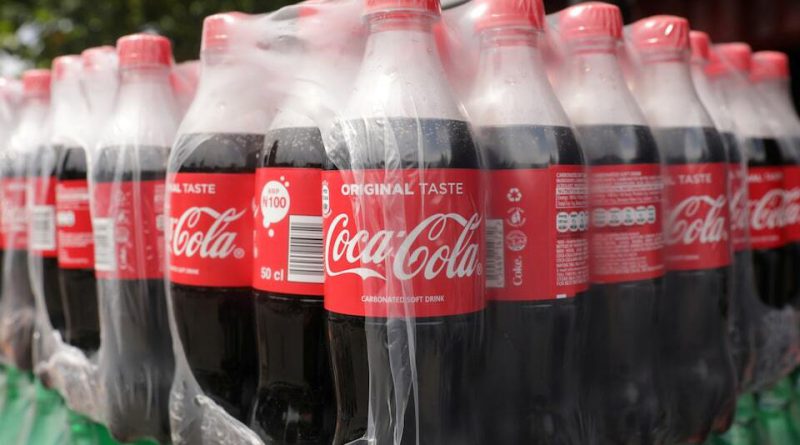
India Coca-Cola bottler flags price pressure as Middle East war lifts packaging costs
New Delhi— SLMG Beverages, the largest bottler of Coca-Cola in India, may raise prices selectively as the Middle East conflict drives up packaging costs, a senior company executive said, highlighting early signs of inflationary spillover into consumer goods.
Rising costs for key inputs such as plastic bottles, caps, labels and cardboard packaging have begun to squeeze margins, with some packaged water manufacturers already increasing prices.
Rahul Kumar, deputy chief executive at SLMG Beverages, said the company would consider price adjustments depending on competitive dynamics and consumer response.“If the war continues, the packaging material cost may continue to move up,” Kumar said, noting that broad-based price increases remain constrained in a highly competitive market.
India’s soft drinks market has intensified following the re-entry of Reliance Industries into the segment with its revival of the Campa cola brand in 2023. The move has triggered aggressive pricing and expanded distribution, limiting the ability of incumbents to pass on higher costs.
Kumar said SLMG Beverages had not implemented a portfolio-wide price increase in the past seven to eight years, reflecting price sensitivity among consumers and the presence of multiple national and regional competitors.
Despite cost pressures, the company is pressing ahead with capacity expansion to capture rising demand in India’s non-alcoholic ready-to-drink beverages market, which consultancy Redseer estimates could double to about $40 billion by 2030.SLMG Beverages plans to invest between 10 billion and 12 billion rupees in each of four new plants over the next five years.
The bottler, which accounts for more than 22% of Coca-Cola’s India volumes, is targeting net revenue of 100 billion rupees by 2026–27.The expansion will focus on populous states such as Uttar Pradesh and Bihar, where consumption levels remain relatively low but incomes are rising.
The company reported strong growth in the last fiscal year, with sales rising 49% to 67.73 billion rupees and net profit increasing 76% to 2.06 billion rupees, according to data from Tofler.
The developments underscore how the Middle East conflict is feeding into global supply chains, pushing up input costs for consumer-facing industries even in markets geographically distant from the conflict zone.