Missile barrage rattles Israel as Iran denies talks, challenges Trump narrative
Washington— Iran launched multiple waves of missiles at Israel on Tuesday, triggering air raid sirens in cities including Tel Aviv, while dismissing U.S. President Donald Trump’s claims of ongoing negotiations as false and accusing Washington of attempting to influence global markets.
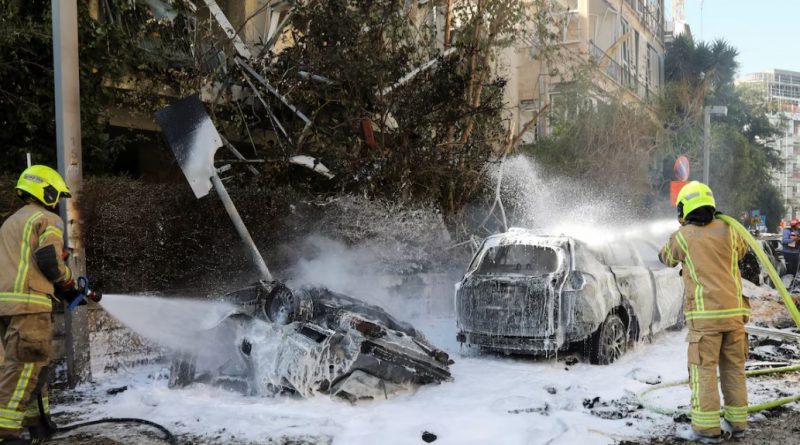
The Israeli military said the incoming missiles activated warning systems across several regions, with interceptions heard over Tel Aviv. In northern Israel, residential buildings were damaged by debris from intercepted projectiles.
No fatalities were reported.The escalation came hours after Trump said he would delay, by five days, a planned strike on Iran’s power grid, citing what he described as “very good and productive” discussions aimed at resolving hostilities in the Middle East.
Iranian officials moved swiftly to counter Trump’s statement. Parliament Speaker Mohammad Baqer Qalibaf said no talks had taken place, calling the U.S. claims “fake news” intended to manipulate financial and oil markets and deflect from mounting geopolitical pressure.
According to sources familiar with the matter, Qalibaf had been identified as a key interlocutor in the purported exchanges. However, his public denial cast doubt on the existence of any backchannel diplomacy.
Iran’s Revolutionary Guards said they were continuing operations, including attacks on U.S. targets, and described Trump’s remarks as “psychological operations” with no bearing on Tehran’s military posture.
Global markets reacted sharply to the shifting narrative. Trump’s announcement of a delay in military action had initially buoyed investor sentiment, pushing share prices higher and driving oil below the $100-per-barrel mark after earlier volatility tied to threats of escalation.
By Tuesday, those gains appeared at risk as renewed hostilities and Iran’s rejection of negotiations reintroduced uncertainty into energy markets and broader risk sentiment.
The diplomatic confusion follows Trump’s weekend ultimatum demanding that Iran reopen the Strait of Hormuz within 48 hours. The strategic waterway carries roughly one-fifth of the world’s oil and liquefied natural gas, making it a critical chokepoint for global energy supply.
Iran has not indicated any shift in its stance on the strait, and the continued exchange of threats and military actions has heightened concerns over potential disruptions to energy flows and regional stability.