Israel signals expanded control in south Lebanon as strikes intensify
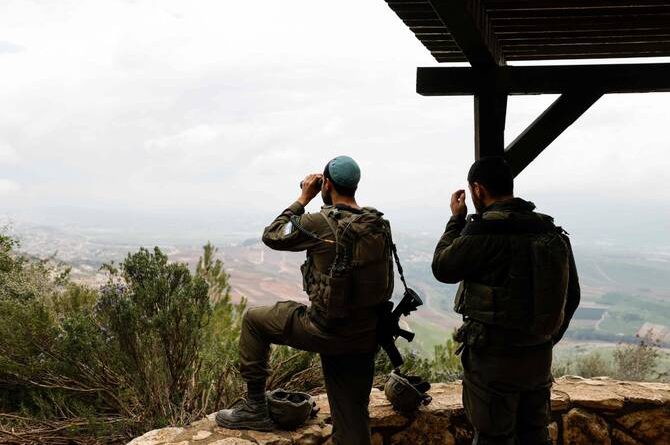
Beirut — Israel’s defence minister said on Tuesday the military would take control of areas in southern Lebanon up to the Litani River, including key crossings, as cross-border hostilities with Hezbollah escalated into a fourth week of fighting.
Defence Minister Israel Katz said Israeli forces had destroyed five bridges over the Litani River that were allegedly used by Hezbollah for moving fighters and weapons, adding that the military would control remaining crossings and maintain a security zone up to the river.
Katz also said displaced residents from southern Lebanon would not be allowed to return until security conditions improve for communities in northern Israel.
The announcement came as Lebanese authorities reported Israeli air strikes near Beirut and across the country. The health ministry said at least two people were killed and five wounded in a strike outside the capital.
Witnesses described heavy damage to residential buildings in Bshamoun, southeast of Beirut, with civilians reporting widespread destruction to homes and property.
Overnight strikes targeted Beirut’s southern suburbs, a Hezbollah stronghold, following Israeli evacuation warnings. An AFP photographer reported extensive damage in the Haret Hreik area, with debris and rubble covering streets.
Lebanon’s state news agency said Israeli strikes also hit southern regions and the Hermel area near the Syrian border, including fuel infrastructure linked by Israel to Hezbollah financing.
It reported that Israeli forces carried out a ground incursion into the southern border town of Halta, where one person was killed, another wounded, and a resident allegedly detained before troops withdrew.
Separately, Israeli shelling was reported near Qawzah, while a bridge connecting southern Lebanon to the Bekaa Valley was destroyed for a second time in two days.
Hezbollah said it had launched multiple attacks on Israeli forces and positions, including strikes targeting troops in southern Lebanon and sites in northern Israel.The latest escalation follows Hezbollah’s entry into the conflict earlier this month, when it began firing rockets into Israel.
Since then, Israeli operations across Lebanon have killed more than 1,000 people and displaced over a million, according to Lebanese authorities.
The conflict continues to widen geographically, with sustained air strikes, ground operations, and retaliatory attacks raising concerns of a prolonged regional confrontation.