Trump defers Iran strike deadline, markets roiled as tensions persist
Tel Aviv— Donald Trump said he will extend until April 6 a deadline for Iran to reach a deal or face potential U.S. strikes on its energy infrastructure, even as Tehran rejected Washington’s proposal as “unfair” and denied direct negotiations, according to officials and statements.
The announcement comes amid a four-week conflict involving the United States, Israel and Iran that has killed thousands and disrupted global energy markets, driving up oil and liquefied natural gas prices and intensifying inflation concerns worldwide.
Deadline extended amid conflicting claimsTrump said talks with Iran were “going very well” and announced a 10-day pause on threatened attacks on Iranian energy facilities, extending an earlier five-day halt declared on March 23.
The pause is set to expire on April 6 at 2000 EDT.Iran, however, said it was not engaged in direct talks with Washington, and officials indicated the U.S. had not clarified who it was negotiating with, as senior Iranian leadership has been significantly affected by the conflict.
Mediators cited by the Wall Street Journal said Tehran had not requested the 10-day pause, while Trump told Fox News that Iran had sought a shorter, seven-day reprieve. There was no immediate confirmation from Iranian authorities.
The conflict has sharply disrupted shipping through the Strait of Hormuz, a critical artery carrying roughly a fifth of global oil and liquefied natural gas. Oil prices have surged about 40% since hostilities began, with Brent crude rising above $105 per barrel.
Iran has warned it would retaliate against energy infrastructure in the Gulf if U.S. strikes proceed, raising concerns about tit-for-tat attacks on civilian facilities that could further destabilize energy markets and regional economies.Global equities have also come under pressure, with major indexes declining amid uncertainty over the conflict’s trajectory.
The Pentagon is considering deploying up to 10,000 additional troops to the Middle East, according to U.S. media reports, while also confirming the use of uncrewed drone speedboats in operations against Iran.
Trump reiterated that the United States could escalate pressure if Iran fails to comply with demands, including reopening the Strait of Hormuz and curbing its nuclear programme, and said control of Iran’s oil resources remained an option without elaborating.
An Iranian official said a 15-point U.S. proposal conveyed through Pakistan was reviewed by senior leadership and deemed unacceptable as it primarily served U.S. and Israeli interests.
The proposal reportedly included demands to dismantle Iran’s nuclear programme, limit missile capabilities and alter control over key waterways.
Pakistan’s foreign minister said indirect communication channels remain open, with Turkey and Egypt also involved in mediation efforts.Iran has hardened its negotiating stance, seeking guarantees against future military action, compensation for war damage and greater control over maritime routes, while also insisting that Lebanon be included in any ceasefire framework.
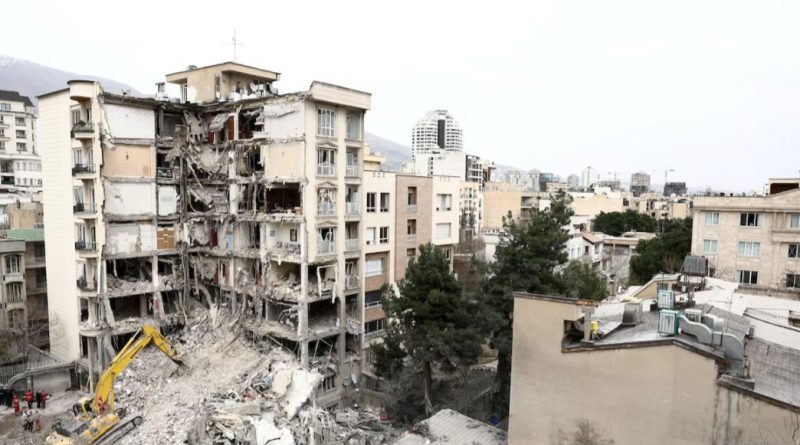
Meanwhile, hostilities continued on multiple fronts, with Iran launching missile strikes on Israeli cities including Tel Aviv and Haifa, and Israeli strikes hitting targets in southern and central Iran, resulting in civilian casualties and infrastructure damage.