Witkoff signals Tehran openness as U.S. relays nuclear demands via Pakistan
Berlin- U.S. special envoy Steve Witkoff said on Friday there were “strong signs” that Iran was ready to negotiate, as Washington conveyed a 15-point proposal to Tehran through Pakistani intermediaries aimed at curbing its nuclear program and de-escalating the ongoing Middle East conflict.
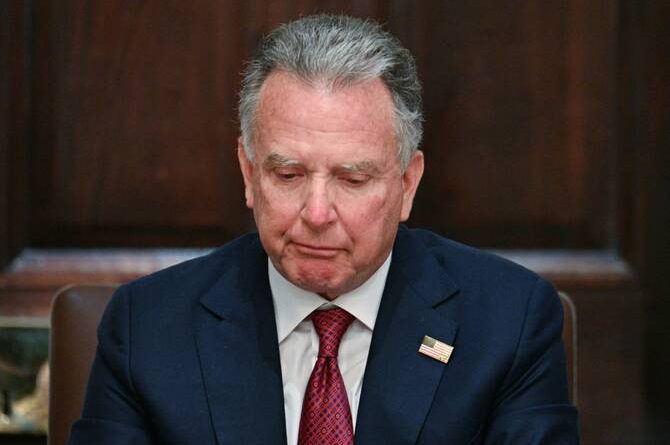
Witkoff, speaking during a cabinet meeting, confirmed for the first time that the United States had passed the proposal via Pakistan, which is facilitating indirect communication between the two sides.
He said the effort sought to present Iran with what he described as a critical juncture, warning that failure to engage could lead to further escalation.
Germany’s foreign minister Johann Wadephul said the United States and Iran had already held indirect contacts and were preparing for a potential face-to-face meeting. He told Deutschlandfunk radio that such a meeting could take place “very soon” in Pakistan, though no official date was disclosed.
Pakistan’s role as a conduit underscores the absence of direct diplomatic ties between Washington and Tehran, with both sides relying on intermediaries to exchange proposals amid heightened regional tensions.
lAccording to the details outlined by Witkoff, the U.S. proposal includes stringent conditions on Iran’s nuclear activities. These include a prohibition on weaponization, dismantling of the Fordow nuclear facility, cessation of uranium enrichment, a ban on stockpiling nuclear material, and the transfer of enriched uranium to the United States.
Iranian authorities are currently reviewing the proposal, though no formal response has been announced.
The diplomatic push comes against the backdrop of an ongoing Middle East conflict that has drawn in multiple regional actors and intensified scrutiny of Iran’s military and nuclear posture. U.S. officials have framed the proposal as part of a broader effort to reduce hostilities and prevent further destabilization.
Witkoff said the outcome would depend on whether Tehran views the current moment as an opportunity to shift course, adding that discussions remain at a preliminary stage.