Iran warns against U.S. ground assault as regional powers convene in Pakistan
Islamabad — Iran warned on Sunday it would respond to any U.S. ground attack, accusing Washington of preparing a land assault even as diplomatic efforts intensified in Pakistan, where regional powers gathered to seek an end to the month-long conflict that has disrupted global energy flows and widened instability across the Middle East.
Iran’s parliament speaker Mohammad Baqer Qalibaf said the United States was signaling openness to negotiations while simultaneously planning military escalation, adding Tehran would not accept what he described as attempts at coercion.
His remarks came as thousands of U.S. Marines began arriving in the region, with the first contingents deployed aboard an amphibious assault ship, according to the U.S. military.
The conflict, triggered by U.S. and Israeli strikes on Iran on Feb. 28, has killed thousands and severely disrupted oil and liquefied natural gas supplies, particularly through the Strait of Hormuz, a critical artery for global energy shipments.
Foreign ministers from Pakistan, Saudi Arabia, Turkey and Egypt met in Islamabad to discuss pathways to de-escalation, with Pakistan positioning itself as a potential intermediary between Washington and Tehran. Pakistan’s Prime Minister Shehbaz Sharif held talks a day earlier with Iranian President Masoud Pezeshkian, while Foreign Minister Ishaq Dar conducted bilateral meetings with his Turkish and Egyptian counterparts ahead of broader consultations.
Parallel military-level engagements are also underway. Pakistan’s army chief Asim Munir remains in contact with U.S. Vice President JD Vance, according to a source familiar with the discussions, indicating ongoing coordination alongside diplomatic outreach.
A Turkish official said Ankara was working with partners on a proposal to reopen the Strait of Hormuz as part of confidence-building measures tied to a potential ceasefire.
The United States has previously outlined a 15-point ceasefire framework, including reopening the waterway and curbing Iran’s nuclear programme, though Tehran has rejected the proposal and advanced its own terms.
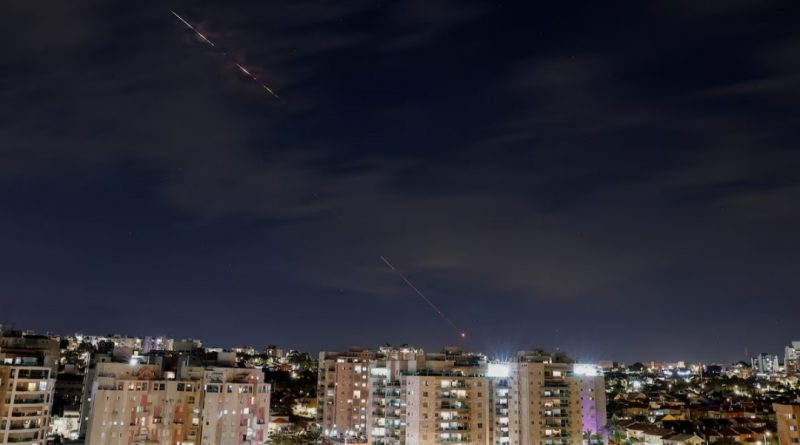
Despite diplomatic efforts, hostilities continued. Israel said it struck dozens of targets across Iran, including weapons production and storage facilities in Tehran, while Iranian media reported casualties from strikes on southern port infrastructure.
The conflict has expanded geographically, with Iran-linked Houthi forces launching attacks on Israel, raising concerns about renewed threats to commercial shipping routes. The Strait of Hormuz remains effectively closed, while risks are also rising around the Bab el-Mandeb Strait, a key gateway to the Suez Canal.U.S. officials, cited by the Washington Post, said the Pentagon was preparing for the possibility of prolonged ground operations, including special operations raids and conventional troop deployments, though it remains unclear whether President Donald Trump will authorize such action.
Secretary of State Marco Rubio said Washington could achieve its objectives without deploying ground forces but emphasized the need for military flexibility.Oil prices have surged toward $100 per barrel since the conflict began, reflecting supply disruptions and heightened geopolitical risk.
Iran has allowed limited passage for Pakistani-flagged vessels through the Strait of Hormuz, permitting two ships per day, according to Pakistani officials.
The conflict is also reverberating domestically in the United States, where protests have taken place in multiple cities amid growing public opposition.
With midterm elections approaching, the war has added pressure on the administration as it weighs military escalation against diplomatic resolution.