Child Labour Persists Across Informal Sectors Despite Legal Prohibitions, Field Reports Indicate
Observers said child labour “is not disappearing, but shifting into less visible and more precarious forms of work.”
Child labour continues to persist across multiple sectors despite existing legal frameworks prohibiting its practice, with field reports indicating that economic pressure, weak enforcement and informal employment structures are sustaining its prevalence.
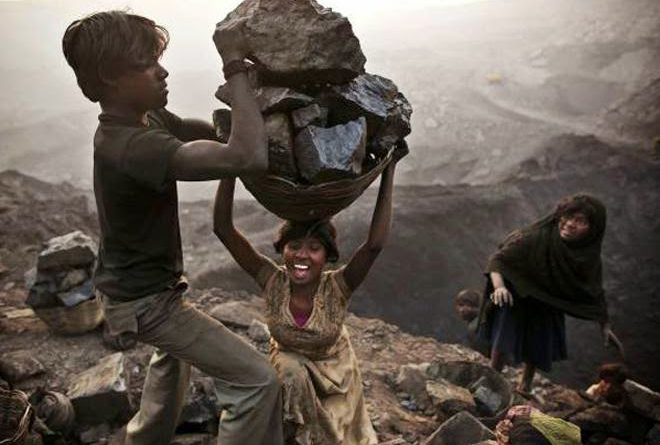
According to practitioners working with vulnerable communities, children are still engaged in labour across agriculture, small-scale manufacturing, domestic work and street-based activities.
They said the problem is particularly acute in informal sectors, where regulation is limited and oversight mechanisms are difficult to enforce.Child rights advocates reported that many families rely on supplementary income generated by children to cope with rising living costs.
They indicated that this economic dependence often leads to children entering the workforce at an early age, sometimes at the expense of their education and well-being. In such cases, work is frequently normalised within households as a necessary survival strategy.
Labour experts noted that while national legislation prohibits hazardous and exploitative child labour, implementation remains inconsistent. They said enforcement agencies are often understaffed and face challenges in identifying violations, particularly in remote or unregulated environments.
In addition, they indicated that legal provisions are sometimes undermined by gaps in monitoring and reporting systems.Field organisations working in urban and rural areas reported that children are commonly found working long hours in conditions that expose them to physical and psychological risks.
They said these include handling heavy loads, exposure to harmful substances and working in unsafe environments without protective measures. In many instances, children are also said to face verbal abuse or exploitation, with limited access to grievance mechanisms.
Education specialists highlighted a strong correlation between child labour and school dropout rates. They reported that children engaged in work often struggle to attend school regularly or complete assignments, leading to early disengagement from formal education.
This, they said, reinforces cycles of poverty by limiting future employment opportunities.Some practitioners observed that migration and displacement are contributing factors.
They said families relocating in search of work may lack access to social services, increasing the likelihood of children entering labour markets. In such contexts, children are often employed in low-paid, informal roles where their age makes them more vulnerable to exploitation.
Stakeholders also pointed to the role of supply chains in sustaining demand for cheap labour. They said small businesses and subcontractors may employ children to reduce costs, particularly in industries where profit margins are narrow.
Without adequate traceability, they added, such practices can remain hidden within broader production networks.Government officials have maintained that policy measures are in place to address the issue, including rehabilitation programmes and awareness campaigns.
However, observers said the scale of implementation varies significantly across regions, with some areas lacking the resources needed to deliver effective interventions.Non-governmental organisations reported that rescue and rehabilitation efforts face logistical and social challenges.
They said that even when children are withdrawn from labour, reintegration into education systems is not always straightforward. Families may continue to face financial hardship, increasing the risk of children returning to work.
Experts emphasised the importance of addressing root causes, including poverty, limited access to quality education and social protection gaps. They said that without comprehensive strategies targeting these underlying factors, enforcement alone is unlikely to eliminate child labour.
They further indicated that greater coordination between government agencies, civil society and private sector actors is required to strengthen monitoring and accountability. Improved data collection and reporting mechanisms were also identified as critical to understanding the scale and nature of the problem.
Practitioners stressed that child labour is evolving in response to economic and social changes. They said that as enforcement increases in formal sectors, the practice may shift into less regulated spaces, making it harder to detect.
This trend, they warned, requires adaptive policy responses and sustained attention from authorities.
Field reports suggest that while legal frameworks provide a foundation for addressing child labour, gaps in enforcement, economic pressures and structural inequalities continue to limit their effectiveness.