Dollar climbs as Middle East tensions spur safe-haven demand
LONDON/SINGAPORE, March 5 — The U.S. dollar strengthened on Thursday as escalating tensions in the Middle East drove investors toward safe-haven assets, lifting the currency after a brief pullback from three-month highs earlier in the week.
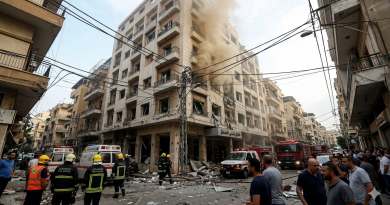
The move came as markets reacted to continuing uncertainty surrounding the regional conflict, with Iran warning that Washington would “bitterly regret” the sinking of an Iranian warship off Sri Lanka.The U.S. Dollar Index, which tracks the greenback against a basket of six major currencies, was last up 0.11% at 98.91 in trading across European and Asian markets.Safe-haven demand returnsThe dollar’s advance reflects renewed investor caution as geopolitical risks intensify across the Middle East. Market participants had briefly hoped for signs of de-escalation earlier this week, but those expectations faded after fresh developments raised the prospect of a broader conflict.Heightened geopolitical uncertainty often leads investors to move capital into assets perceived as safer during periods of volatility, including the U.S. dollar and government bonds.Currency markets have reacted quickly to developments linked to the conflict, with traders adjusting positions in response to each new headline.
Markets react to geopolitical uncertaintyAnalysts said the unpredictable nature of the situation has made investors particularly sensitive to news related to the conflict.“Everyone is fumbling around in the dark,” said Nick Rees, head of macro research at Monex.“Most investors recognise that they do not have a high level of confidence when it comes to the outlook over these tensions, and it is leaving markets highly reactive to even small headline developments,” Rees said.The cautious sentiment has contributed to fluctuations across global currency markets, with traders seeking clarity about how the conflict could evolve and affect broader financial conditions.
Geopolitics drives currency movesThe dollar had recently climbed to three-month highs as geopolitical tensions intensified, reflecting sustained demand for the currency during periods of global uncertainty.Investors continue to monitor developments in the Middle East closely, particularly signals that could influence energy markets and global economic stability.Currency traders said that ongoing geopolitical risks and shifting market expectations are likely to keep exchange-rate movements volatile as investors respond to developments in the conflict and assess the broader implications for global financial markets.