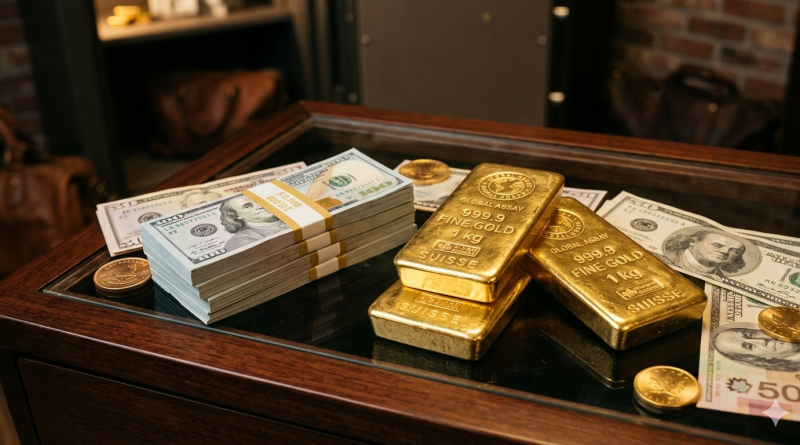
Haven hunt intensifies as conflict jolts markets
March 5 — Escalating turmoil in the Middle East has pushed investors back into traditional safe-haven assets, reviving debate over whether the U.S. dollar, government bonds or gold offers the most reliable protection during periods of geopolitical and market stress.
The search for stability has intensified as financial markets respond sharply to the conflict, with currencies and commodities moving unpredictably. The dollar has rebounded after a period of weakness over the past year, while traditional refuge currencies such as the Swiss franc and Japanese yen have weakened. Gold, meanwhile, has retained its appeal despite bouts of volatility.dollar regains defensive roleThe U.S. dollar has strengthened as investors reassess its role as a defensive asset during geopolitical shocks. Analysts say the currency’s response partly reflects the United States’ position as a net energy exporter, which can benefit when oil prices surge during conflicts.Benchmark Brent Crude climbed above $80 a barrel as tensions in the Middle East raised concerns about supply disruptions, a move that analysts say can support the U.S. economy relative to energy-importing nations.“The dollar has some safe-haven characteristics, but it is context specific,” said James Lord, head of FX strategy at Morgan Stanley.However, Lord added that the currency’s traditional haven role is not guaranteed. Policy uncertainty in the United States has weakened some of the structural factors that previously made the dollar a default refuge in times of global stress.gold’s long-term appeal persistsDespite recent price swings, gold continues to hold strong credibility as a safe-haven asset among investors.
Analysts note that the metal has surged about 240% since the start of the decade, reflecting persistent demand amid concerns over inflation, geopolitical tensions and rising global debt.Gold prices dropped sharply earlier in the week, a move market participants attributed partly to investors selling profitable positions to offset losses in other assets as market sentiment deteriorated.Still, analysts say that short-term volatility does not undermine gold’s broader appeal during periods of uncertainty. The metal’s reputation as a store of value often draws inflows during crises involving inflation risks, geopolitical tensions or financial instability.shifting behaviour of haven assetsThe current market environment highlights how traditional defensive assets can behave differently depending on the underlying cause of market turmoil.While the dollar has regained some safe-haven demand during the latest bout of geopolitical tension, currencies such as the Swiss franc and the Japanese yen often considered classic refuges have weakened.Analysts say the divergence reflects the complexity of modern global markets, where energy dynamics, policy expectations and investor positioning can alter how traditional havens perform.The renewed volatility across currencies, commodities and bonds underscores the challenge investors face in identifying reliable protection during geopolitical shocks. With markets adjusting rapidly to developments in the Middle East, investors continue to reassess which assets offer the most consistent shelter during periods of heightened uncertainty.