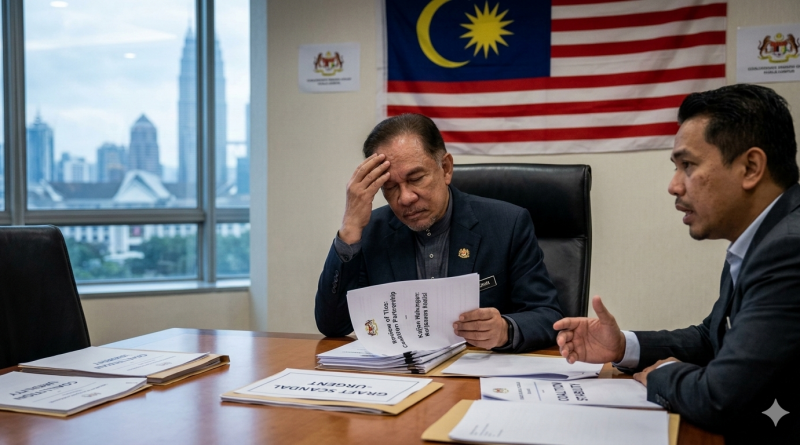
Malaysian ruling bloc partner reviews ties as graft scandal intensifies
KUALA LUMPUR, March 6 — A major party in Malaysia’s ruling coalition said it is reviewing its position within the government ahead of the next national election, as allegations of misconduct within the country’s anti-graft agency intensify political tensions and fuel public scrutiny of corruption oversight.
The party, the largest partner within the governing bloc, said its leadership would assess its stance as political strains grow over the scandal, which has triggered calls from lawmakers for institutional reforms to address what they describe as systemic weaknesses in anti-corruption enforcement.Malaysia is scheduled to hold its next general election by early 2028, but political analysts and party insiders say Prime Minister Anwar Ibrahim could consider calling snap polls as early as July this year if coalition stability deteriorates.Coalition strains intensifyThe statement from the ruling coalition partner comes amid rising criticism of Malaysia’s anti-graft watchdog, the Malaysian Anti-Corruption Commission, following allegations of misconduct involving officials within the agency.
The controversy has prompted questions about the credibility of anti-corruption enforcement in a country where political scandals have shaped public debate for more than a decade. The MACC said it would review internal procedures and cooperate with oversight bodies where necessary.The party reviewing its position said discussions would be held within its leadership council before a final stance is taken on its role in the governing alliance. Officials from the party did not indicate whether the review could lead to a withdrawal of support for the government.Malaysia’s ruling coalition currently governs with a narrow parliamentary majority, making the support of each partner critical for legislative stability.
Election calculationsPolitical calculations are also shaping the debate as parties prepare for the next general election, which must be held by early 2028 under Malaysia’s constitutional framework.Sources familiar with coalition discussions said the prime minister retains the authority to dissolve parliament earlier and could opt for a snap election if political conditions appear favourable or if governing alliances weaken.While no formal decision has been announced, the possibility of an early vote has been widely discussed within political circles in Kuala Lumpur.Calls for anti-corruption reformsThe controversy surrounding the anti-graft agency has also prompted calls from lawmakers for structural reforms aimed at strengthening oversight mechanisms and restoring public trust.One member of parliament said the allegations highlight broader concerns about institutional accountability and urged the government to introduce measures that would ensure greater transparency and independence in corruption investigations.Malaysia has previously implemented reforms intended to strengthen anti-corruption enforcement following high-profile financial scandals that dominated the country’s political landscape in the past decade.Analysts say the current dispute reflects deeper political tensions within Malaysia’s coalition-based governance system, where disagreements among alliance partners can influence policy decisions and election timing.Debate over the future of the ruling bloc and the credibility of the anti-graft system is likely to remain central to Malaysia’s political discourse in the months ahead as parties position themselves for the next national vote.