Trump urges Iranian Kurds to attack Tehran as regional war widens
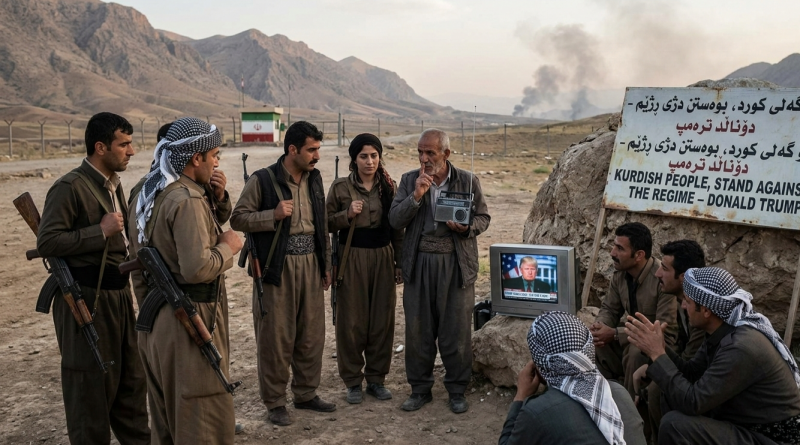
DUBAI/WASHINGTON, March 6 – Donald Trump on Friday encouraged Iranian Kurdish forces based in Iraq to launch attacks against Iran as the Middle East conflict widened, while Azerbaijan warned it would retaliate after being struck by Iranian missiles and Israel said it had begun a “broad-scale” wave of strikes against infrastructure targets in Tehran.
The remarks came as hostilities expanded across several fronts, raising fears of a broader regional confrontation. Trump’s call appeared aimed at increasing pressure on Tehran by opening additional fronts against Iranian authorities, according to statements reported by Reuters.Iranian Kurdish fighters affiliated with the Kurdistan Freedom Party (PAK), a group operating from bases in Iraq’s semi-autonomous Kurdish region, have long opposed Iran’s government and maintain training facilities near the city of Erbil.Trump signals pressure on TehranTrump said Iranian Kurdish forces should join the fight against Tehran, signalling Washington’s willingness to encourage opposition groups inside Iran’s ethnic minority regions as the conflict intensifies.The U.S. president also suggested that Washington might ultimately have to “choose” Iran’s next leader, a remark likely to heighten tensions with Iranian authorities and add to concerns among regional governments about the trajectory of the war.
Analysts say Kurdish militant groups operating near Iran’s borders could potentially stretch Tehran’s security forces if they were to open a new front in the conflict. Kurdish insurgent movements have historically had strained relations with the Iranian state, though their operational capacity and political coordination vary.Israel expands strikes on TehranMeanwhile, Israel said it had begun a broad wave of attacks targeting infrastructure in the Iranian capital, Tehran. The announcement came as Iran continued missile strikes across the region, including attacks targeting Gulf cities.Israeli officials described the campaign as a large-scale escalation intended to degrade Iran’s strategic infrastructure. Details of the specific targets were not immediately disclosed, but the strikes signalled a widening scope of military operations following earlier exchanges between the two adversaries.Iran has not publicly detailed the extent of damage in Tehran, though the strikes mark one of the most direct escalations involving the capital since the current round of hostilities began.
Azerbaijan warns of retaliationSeparately, Azerbaijan warned it would retaliate after Iranian missiles struck its territory, opening another potential front in the conflict and raising alarm across the Caucasus region.Officials in Baku said preparations were under way for a response, though they did not provide details on timing or possible targets. The warning underscores the growing geographic reach of the confrontation as more states become directly affected by the exchange of strikes.Regional governments have been closely monitoring the situation amid fears that a wider war could disrupt trade routes, energy infrastructure and security across the Middle East and neighbouring regions.The latest developments came as Iran continued to launch missiles toward Gulf cities, while Israeli forces intensified attacks on Iranian targets.
The expanding scope of the conflict has heightened concerns among international observers that the war could evolve into a broader regional confrontation involving multiple state and non-state actors.Trump’s remarks urging Iranian Kurdish fighters to take up arms against Tehran added another volatile dimension to the crisis, highlighting the possibility that internal opposition groups could be drawn more directly into the escalating confrontation.