Track 2 Diplomacy: India–Pakistan Relations Behind the Scenes
India has continued to rely on informal Track 2 diplomatic engagements with countries including Pakistan, China and Canada to sustain communication channels amid strained official ties, with recent meetings in Doha and earlier exchanges contributing to gradual stabilisation efforts and policy signalling.
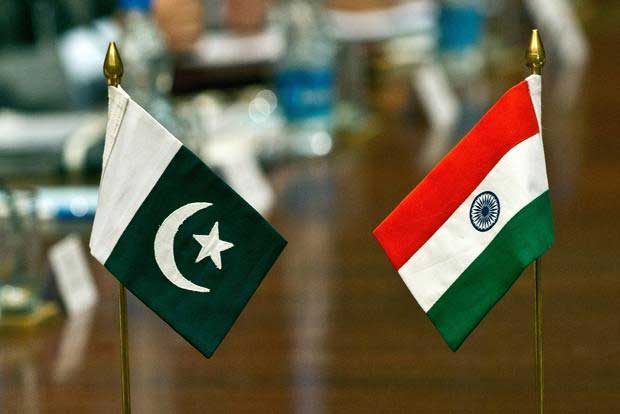
In February, Indian and Pakistani participants met in Doha for a round of Track 2 talks, according to people familiar with the matter, even as formal relations between the two countries remain tense.
The meeting comes against the backdrop of India’s concerns over cross-border terrorism following the Pahalgam attack, which has kept official engagement limited.
Track 2 dialogues between India and Pakistan have continued for decades, at times involving nearly 20 parallel channels. These discussions, conducted away from official scrutiny, involve former officials, academics, journalists and civil society representatives. No formal statements are issued and participants typically do not confirm their involvement, preserving deniability while allowing candid exchanges.
One of the longest-running such initiatives has been the Neemrana Dialogue, which has historically brought together stakeholders from both sides to discuss contentious issues outside formal diplomatic frameworks.
The concept of Track 2 diplomacy was coined in 1981 by American diplomat Joseph Montville to describe unofficial, non-structured interactions aimed at building trust and testing ideas. Unlike formal government negotiations, these engagements provide flexibility and confidentiality.
A related format, Track 1.5, combines serving officials acting in an unofficial capacity with non-government participants. Such mechanisms have gained relevance globally in periods of diplomatic deadlock.
Informal engagements played a role in early contacts leading to the 1993 Oslo Accords, where preliminary discussions between Israeli and Palestinian representatives were held outside formal channels. India has employed similar approaches in multiple geopolitical contexts.
After the 2020 Galwan Valley clash, which led to a freeze in official engagement between India and China, Track 2 exchanges helped maintain communication.
Subsequent high-level interactions, including a meeting between Prime Minister Narendra Modi and President Xi Jinping on the sidelines of the Shanghai Cooperation Organisation summit in Tianjin in 2025, signalled a tentative thaw.
Direct flights resumed in October 2025 after a five-year suspension, and cross-border trade and people-to-people contacts have begun to recover. Chinese leadership is expected to participate in the BRICS summit in India later this year.
During the 2022 outbreak of the Ukraine conflict, India engaged in Track 2 and Track 1.5 discussions involving European, Russian and Ukrainian interlocutors. These interactions focused on humanitarian issues and de-escalation options, complementing New Delhi’s publicly stated policy of strategic autonomy.
A similar pattern was observed in India’s engagement with Canada following tensions over allegations related to the killing of Hardeep Singh Nijjar.
Informal diplomatic channels preceded high-level meetings between Prime Minister Modi and Canadian Prime Minister Mark Carney at the G7 summit in June 2025 and the G20 summit in November.
These interactions contributed to the return of high commissioners and renewed bilateral engagement. Carney’s visit to India in early 2026 advanced discussions on a Comprehensive Economic Partnership Agreement aimed at boosting bilateral trade to $50 billion by 2030, alongside cooperation in energy, critical minerals, defence and nuclear sectors.
Officials and analysts view Track 2 diplomacy as a supplementary tool rather than a substitute for formal negotiations.
It allows stakeholders to exchange perspectives, explore policy options and maintain contact in politically sensitive environments where official dialogue may be constrained.