IMF Warns War Will Drive Inflation, Slow Global Growth
Washington— The head of the International Monetary Fund said the Middle East conflict will push up inflation and slow global economic growth, as disruptions to energy supplies ripple through the world economy.
Managing Director Kristalina Georgieva said the war had caused the most severe disruption to global energy supply on record, with millions of barrels of oil production shut down due to Iran’s effective closure of the Strait of Hormuz.
“Instead, all roads now lead to higher prices and slower growth,” Georgieva told Reuters, adding that the IMF would cut its growth forecasts and raise inflation projections in its upcoming World Economic Outlook.
The conflict is expected to dominate discussions at next week’s IMF and World Bank spring meetings in Washington, where policymakers will assess the economic fallout from the crisis.
The Fund had previously anticipated a modest upgrade to global growth projections before the escalation.Georgieva said global oil supply had fallen by about 13%, with knock-on effects extending beyond energy markets into supply chains for commodities such as fertilizers and helium.
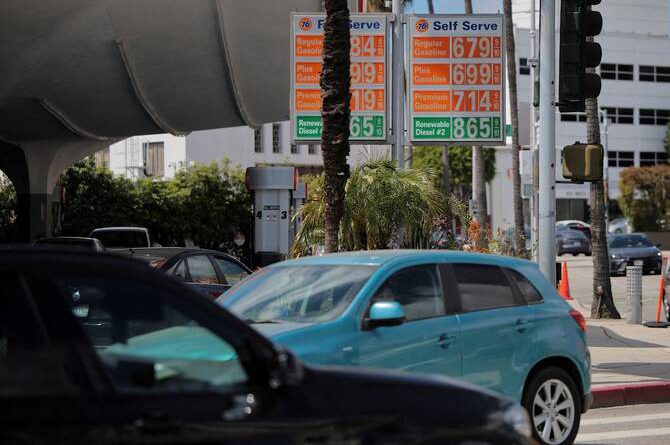
Brent crude prices have risen to around $110 per barrel, reflecting tightening supply conditions.She warned that even a swift resolution would leave a lasting economic impact, while a prolonged conflict would deepen inflationary pressures and further dampen growth prospects.
The effects are expected to be uneven, with energy-importing countries facing the greatest strain. Many low-income economies lack the fiscal capacity to cushion rising costs, increasing risks of economic instability and social unrest.
Georgieva said some countries had already sought financial assistance from the IMF, which could expand existing lending programs to address urgent needs. She cautioned against broad energy subsidies, arguing they could exacerbate inflation.Energy exporters have also been affected.
Damage to production infrastructure has slowed output recovery in some countries, including Qatar, where restoration of natural gas capacity could take several years.The IMF is coordinating with other global institutions, including the International Energy Agency and the World Bank, to assess the broader implications of the conflict.
Georgieva also highlighted risks to food security, noting that disruptions to fertilizer supplies could trigger wider shortages if the conflict continues.
The World Food Programme has warned that millions could face acute hunger if conditions worsen.