Haryana Raises Wages After Iran War Sparks Worker Unrest in Auto Hub
Manesar — India’s Haryana state has ordered a 35% increase in minimum wages for factory workers following protests in the key auto manufacturing hub of Manesar, where rising living costs linked to the Iran conflict triggered labor unrest and production disruptions.
The state government said wages for unskilled workers would rise to about $165 per month from roughly $120, effective April 1, marking the first such policy move in response to the economic fallout from the ongoing U.S.-Israel-Iran war.
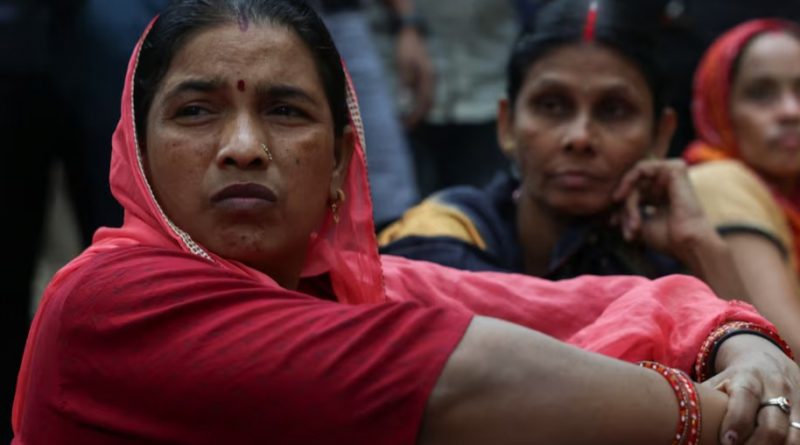
The decision followed clashes between police and workers in Manesar, located near New Delhi and home to major manufacturing facilities including Maruti Suzuki and numerous supplier units. Authorities urged workers to resume duties peacefully after the announcement.
Workers said surging food prices, driven by disrupted gas supplies, had strained household budgets. India, the world’s second-largest importer of liquefied petroleum gas, is facing one of its most severe supply disruptions in decades, prompting the government to prioritize household consumption over industrial use.
The wage hike is expected to ease pressure on workers but add to cost burdens for automakers already grappling with higher raw material prices. Companies such as Tata Motors and Mahindra & Mahindra have raised vehicle prices, while Maruti has indicated similar steps may follow.
Industrial activity in Manesar was partially disrupted as workers boycotted shifts and staged protests. Employees reported that food costs had nearly doubled, with some migrant workers returning to their home villages due to rising expenses and uncertain supplies.
Suppliers including Munjal Showa said production was affected, while firms such as Roop Polymers reported limited disruption and a return to normal operations after the protests subsided.India’s auto sector relies heavily on migrant labor, with millions traveling to industrial clusters for work.
Industry groups warned that retaining workers has become a priority, with some companies offering meals and bonuses to prevent further departures.
Executives said supply chains could take weeks to stabilize even if geopolitical tensions ease, as disruptions to energy supplies continue to ripple through manufacturing and labor markets.