U.S. warns of sanctions on buyers of Iranian oil as blockade tightens
Washington — The United States on Wednesday warned it could impose secondary sanctions on countries and financial institutions purchasing Iranian oil, as Washington intensifies pressure on Tehran through a maritime blockade and expanded restrictions on its energy sector.U.S.
Treasury Secretary Scott Bessent said the administration had cautioned governments and banks that continued transactions involving Iranian oil could trigger punitive measures. “If you are buying Iranian oil, that if Iranian money is sitting in your banks, we are now willing to apply secondary sanctions,” he told reporters at the White House.
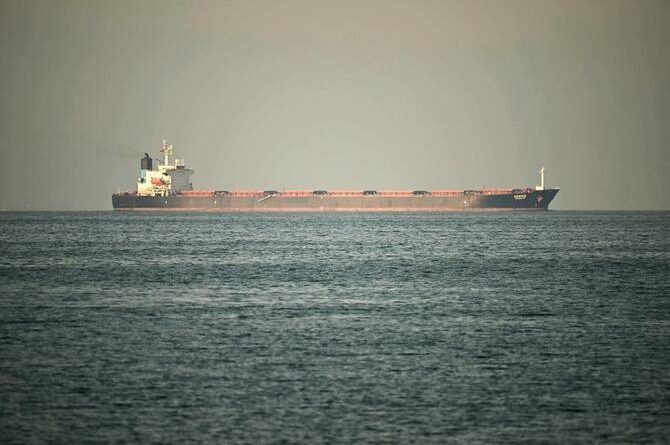
The warning comes as the U.S. enforces a naval blockade on Iran that began earlier this week, with officials saying they expect the move to curb purchases by key buyers, particularly China, which has accounted for the majority of Iran’s seaborne oil exports.
Bessent said the Treasury had contacted two Chinese banks, warning that they could face sanctions if evidence shows Iranian funds moving through their systems. China’s embassy in Washington did not immediately respond to requests for comment.
Separately, the U.S. Treasury announced sanctions targeting Iran’s oil transportation network, including more than two dozen individuals, companies and vessels, as part of a broader effort to disrupt the country’s energy exports.
The measures follow the administration’s decision not to renew a 30-day sanctions waiver issued on March 20 that had allowed Iranian oil shipments already at sea to reach global markets.
The waiver, which Bessent said facilitated the delivery of about 140 million barrels, is set to expire on April 19.Washington has also allowed a similar waiver covering Russian oil shipments to lapse, reinforcing its broader sanctions enforcement strategy.
U.S. officials said letters had been sent to jurisdictions including China, Hong Kong, the United Arab Emirates and Oman, identifying financial institutions allegedly linked to Iranian transactions and warning of potential enforcement actions.
The steps are part of what the administration has described as a “maximum pressure” campaign aimed at curbing Iran’s oil revenues and limiting its ability to finance regional activities.