Asia-Europe air traffic surges as Gulf disruptions redraw global routes
Hong Kong— Major Asian airlines are reporting a sharp rise in demand on European routes as travelers avoid disrupted Middle Eastern transit hubs, a shift industry analysts say could persist months after the Iran conflict subsides.
Carriers including Cathay Pacific Airways, Singapore Airlines, Korean Air Lines and Qantas Airways have expanded capacity to Europe in recent weeks, citing strong passenger demand and a redirection of long-haul traffic that previously flowed through Gulf hubs.
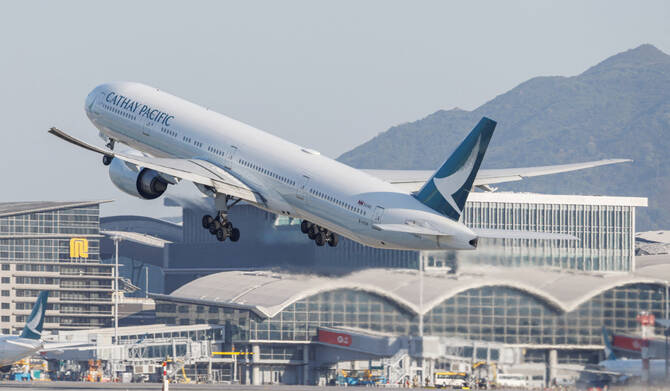
Cathay Pacific said it added flights in March and April to meet increased demand, with Chief Customer and Commercial Officer Lavinia Lau attributing the surge to passengers opting for alternative routings via Asia. The airline expects elevated demand to continue through April, supported by seasonal travel and higher long-haul bookings.
Singapore Airlines reported its Europe-bound seat occupancy rose to 93.5% in March from 79.7% a year earlier, marking its strongest regional growth. The airline said the increase was partly driven by spillover demand as capacity through Middle Eastern hubs declined.
Before the conflict, Gulf carriers including Emirates, Qatar Airways and Etihad Airways accounted for roughly one-third of passenger traffic between Asia and Europe, according to aviation data firm Cirium, and carried more than half of travelers flying onward to Australia, New Zealand and Pacific destinations.
While Gulf airlines have begun restoring operations, reaching at least 60% of pre-conflict flight levels based on Flightradar24 data, they continue to face headwinds. Travel advisories, including warnings from Australia against transiting through parts of the Middle East, have reduced passenger confidence and insurance coverage options, pushing travelers toward alternative routes.
As a result, fares on routes bypassing the Gulf have risen significantly. Data from Google Travel shows economy-class tickets between Sydney and London via non-Middle East routes costing substantially more than those transiting through Gulf hubs.
Bank of America analysts said pricing strength and market share gains for Asian carriers on Europe routes could persist for six to 12 months even after the conflict ends, citing forward booking trends and continued traveler caution.
Korean Air reported a 47.3% rise in first-quarter operating income to 517 billion won ($349.38 million), with the airline linking part of the increase to higher Europe-bound demand. Passenger revenue on European routes rose 18% year-on-year, the carrier said.
Qantas has also reallocated capacity to capitalize on the shift, expanding flights to destinations such as Paris and Rome while reducing exposure to other markets.Airservices Australia said traffic between Australia and the Middle East fell 77% year-on-year in March, with routes increasingly diverted through Asian hubs including Singapore, Kuala Lumpur, Hong Kong, Tokyo and Seoul.
Analysts say these cities are likely to consolidate their positions as alternative transit hubs if disruptions in the Gulf persist, reshaping long-haul travel patterns between Asia, Europe and beyond.