Australia’s Wong Heads to Asia for Energy Security Talks Amid Middle East Disruptions
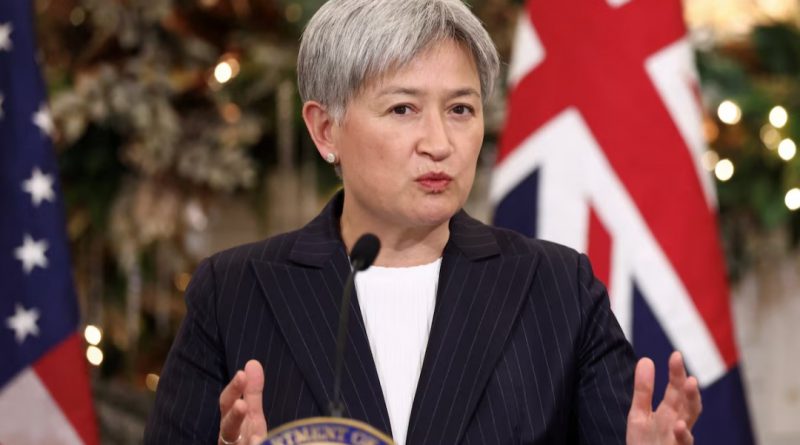
Sydney — Australian Foreign Minister Penny Wong will visit Japan, China and South Korea this week for talks focused on energy security as disruptions from the Middle East conflict continue to pressure global fuel markets.
Wong said the meetings were aimed at strengthening coordination with key regional partners as instability linked to the Iran conflict affects international energy supplies and shipping routes.
In Tokyo, Wong is scheduled to meet Japanese Foreign Minister Toshimitsu Motegi for discussions on fuel security, regional stability and the Middle East conflict.
In Beijing, she will hold the eighth Australia-China Foreign and Strategic Dialogue with Chinese Foreign Minister Wang Yi, describing the talks as an opportunity to advance shared interests while managing strategic differences between Canberra and Beijing.
In Seoul, Wong will meet South Korean Foreign Minister Cho Hyun, noting that South Korea remains one of Australia’s most important suppliers of refined fuels.Australia imports the majority of its fuel requirements and has faced localized shortages since the Middle East conflict began in February, exposing vulnerabilities in supply chains and raising concerns over long-term energy resilience.
“These meetings will help ensure we are coordinating effectively,” Wong said in a statement, pointing to volatility in oil and gas markets caused by the conflict and disruptions to major shipping corridors.
The diplomatic push reflects Canberra’s effort to secure stable energy flows while balancing strategic relations across Asia, particularly with China, its largest trading partner, and close security partners Japan and South Korea.
Energy security has become a growing concern for Australia as tensions around the Strait of Hormuz and broader regional instability continue to affect fuel prices and shipping reliability across the Indo-Pacific.
The visit also comes as Australia seeks to strengthen regional cooperation on both economic security and broader geopolitical challenges linked to the Middle East war.