UAE to exit OPEC from May 1 in major shift to energy strategy
Dubai — The United Arab Emirates said on Tuesday it will leave the Organization of the Petroleum Exporting Countries (OPEC) effective May 1, marking a significant policy shift for one of the group’s major producers and signaling a broader recalibration of its long-term energy strategy.
The announcement was made through the state-run WAM news agency, which said the decision reflects the country’s changing economic priorities and expanding domestic energy ambitions.“This decision reflects the UAE’s long-term strategic and economic vision and evolving energy profile, including accelerated investment in domestic energy production, and reinforces its commitment to a responsible, reliable, and forward-looking role in global energy markets,” the government said in a statement.
The UAE did not provide further details on how the move would affect its crude production policy or its broader cooperation with OPEC+, the wider alliance of oil-producing nations led by Saudi Arabia and Russia.
The decision comes at a time of heightened volatility in global energy markets, with oil prices rising sharply amid continued tensions surrounding the Iran war and concerns over supply routes through the Strait of Hormuz, a critical channel for global crude shipments.
The UAE has in recent years expanded its oil production capacity while also investing heavily in natural gas, renewables and low-carbon energy technologies as part of its broader diversification strategy.
Its departure from OPEC could reshape internal dynamics within the producer group, where production targets and output discipline have often been subjects of negotiation among member states.
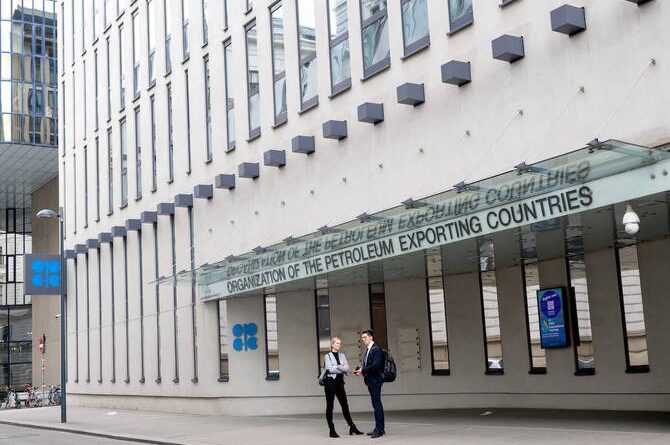
OPEC, headquartered in Vienna, was founded in 1960 and remains one of the world’s most influential oil alliances, coordinating output policies among major exporters to stabilize prices and manage market supply.
The UAE has been one of the organization’s key Gulf members and among its largest producers, making its exit one of the most significant institutional changes for the cartel in recent years.
Markets and analysts are expected to closely watch whether Abu Dhabi maintains coordination with OPEC+ informally or pursues a more independent production strategy after its formal withdrawal takes effect.