Israel Expands South Lebanon Strikes, Orders Evacuations Amid Ceasefire Strains
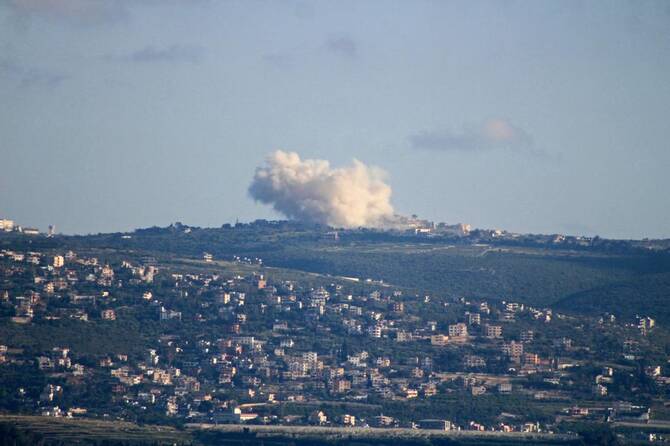
Beirut — Israel’s military on Sunday ordered residents in parts of southern Lebanon to evacuate their homes and move at least 1,000 meters away from suspected Hezbollah positions, after carrying out widespread strikes a day earlier that it said targeted dozens of Hezbollah military sites despite a fragile ceasefire still formally in place.
The Israeli army said it was conducting operations against Hezbollah following what it described as violations of the ceasefire agreement and warned civilians that anyone near Hezbollah fighters or facilities could be at risk.
In a statement, the military said it had dismantled “approximately 70 military structures and approximately 50 Hezbollah infrastructure sites” across several areas in southern Lebanon on Saturday.
The strikes marked one of the heaviest waves of Israeli attacks since the April 17 ceasefire, which was intended to halt more than six weeks of direct confrontation between Israel and the Iran-backed Lebanese armed group.
Lebanon’s state-run National News Agency reported multiple Israeli strikes across the south, including attacks in the Tyre district town of Sammaiyeh where at least three people were killed.Earlier, the Israeli military had issued two evacuation warnings covering nine southern villages, signaling broader operational activity near the border.
Hezbollah said it had launched several attacks targeting Israeli troops in response to what it called repeated Israeli ceasefire violations, underscoring the continuing volatility despite formal truce arrangements.Under the ceasefire text, Israel retains the right to act against what it describes as “planned, imminent or ongoing attacks,” a provision that has remained a major source of dispute between both sides.
Israeli strikes have become a near-daily occurrence since Hezbollah entered the regional conflict on March 2 by firing rockets toward Israel in support of its ally Iran, drawing Lebanon deeper into the broader Middle East war.
Since then, more than 2,600 people have been killed in Lebanon and over one million displaced, according to Lebanese authorities, with much of the destruction concentrated in the south and Beirut’s southern suburbs.
Lebanese officials continue to argue that repeated Israeli strikes undermine the ceasefire and risk pushing the conflict back toward full-scale war.In a parallel diplomatic effort, Lebanese army chief General Rodolphe Haykal met on Saturday with visiting U.S. General Joseph Clearfield, who heads the five-member committee tasked with monitoring the separate 2024 ceasefire framework established after the last major Israel-Hezbollah war.
According to a Lebanese army statement, the two discussed Lebanon’s security situation, broader regional developments and ways to improve the effectiveness of the monitoring mechanism.The committee remains central to efforts by the United States and regional actors to prevent further escalation as violence tied to the wider Iran-Israel confrontation continues to spill across multiple fronts.