Hormuz Brinkmanship Deepens as US-Iran War Grinds On
Tehran- Hormuz Brinkmanship Deepens as US-Iran War Grinds OnThe United States and Iran showed no sign of moving closer to ending their two-month conflict on Sunday despite renewed diplomatic outreach, while a Qatari liquefied natural gas tanker sailed toward the Strait of Hormuz in what mediators described as a tentative confidence-building step amid escalating maritime tensions.
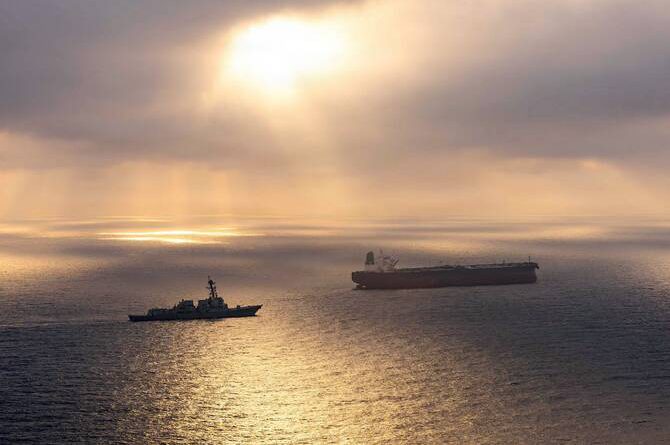
Relative calm returned to the strategic waterway after several days of clashes involving Iranian and US forces near the strait, a critical global energy chokepoint through which roughly one-fifth of the world’s oil supply passed before the conflict erupted in late February.
US Secretary of State Marco Rubio said Washington was awaiting Tehran’s response to a proposal that would formally end hostilities before broader negotiations begin on disputes including Iran’s nuclear program.
More than 24 hours after Rubio said a response was expected “within hours,” Iranian authorities had not publicly reacted.Rubio met Qatari Prime Minister Mohammed bin Abdulrahman Al-Thani in Miami on Saturday, where both sides discussed cooperation to “deter threats and promote stability and security across the Middle East,” according to US State Department spokesperson Tommy Pigott.
The statement did not directly reference Iran.The Qatari LNG tanker Al-Kharaitiyat was sailing toward the Strait of Hormuz en route to Pakistan, according to LSEG shipping data. Sources familiar with the matter said Iran had approved the transit to signal goodwill toward Qatar and Pakistan, both of which have played mediating roles during the conflict.
If completed, the voyage would mark the first passage of a Qatari LNG carrier through the strait since fighting began following US-Israeli airstrikes across Iran on Feb. 28.Iranian military officials nevertheless maintained a confrontational tone.
Brigadier General Mohammad Akraminia, an Iranian army spokesperson, warned countries enforcing US sanctions against Tehran that they would “face difficulties crossing the Strait of Hormuz,” according to the semi-official Tasnim news agency.Recent flare-ups have tested a ceasefire announced on April 7, with clashes intensifying in and around the strait over the past week.
The United Arab Emirates said on Friday that its air defenses intercepted two ballistic missiles and three drones launched from Iran, leaving three people moderately injured.Iran has repeatedly targeted Gulf states hosting US military facilities during the conflict, while accusing Washington of violating the ceasefire through continued naval operations and sanctions enforcement.
On Friday, Iranian media reported sporadic clashes between Iranian forces and US vessels in the strait. The US military separately said it struck two Iran-linked vessels attempting to enter an Iranian port, forcing them to reverse course after a fighter jet targeted their smokestacks.
Iran’s Islamic Revolutionary Guard Corps responded with threats to retaliate against US interests in the region if Iranian commercial vessels were attacked again. Iranian media quoted the Guards as saying any strike on Iranian tankers would trigger a “heavy attack” on American facilities and ships.
The conflict has disrupted shipping traffic and heightened volatility in global energy markets. Tehran has largely restricted non-Iranian shipping through the Strait of Hormuz since the war began, significantly reducing maritime flows through one of the world’s most strategically vital waterways.
US President Donald Trump, who is scheduled to visit China next week for talks with President Xi Jinping, has faced mounting pressure from allies and financial markets to stabilize the situation. The war has strained relations with European partners and raised fears of broader economic fallout tied to energy supply disruptions.
Speaking after talks with Italian Prime Minister Giorgia Meloni, Rubio questioned why some US allies had not more forcefully backed efforts to reopen the strait, arguing that allowing Iran to dominate an international shipping lane would establish a dangerous precedent.
German Chancellor Friedrich Merz said European governments remained aligned with Washington on preventing Iran from acquiring nuclear weapons while attempting to narrow diplomatic differences over the conflict. Britain said it would deploy a warship to the Middle East in preparation for a potential multinational maritime security mission alongside France once conditions permit.
At the same time, Washington expanded economic pressure on Tehran. The US Treasury on Friday imposed sanctions on 10 individuals and companies, including entities in China and Hong Kong, accused of helping Iran’s military procure weapons components and materials linked to the production of Shahed drones.
A report in the Washington Post citing a CIA assessment said Iran could withstand US maritime pressure for several more months without severe economic damage, potentially limiting Washington’s leverage. A senior US intelligence official later rejected the characterization of the assessment as inaccurate.
Iranian Foreign Minister Abbas Araghchi accused Washington of undermining diplomatic efforts, saying Friday that “every time a diplomatic solution is on the table, the US opts for a reckless military adventure.”