Cannes Jury Highlights European Cinema as Fjord Takes Palme d’Or Amid Debate Over Festival’s Top Honors
“The personal is fused with the political in a thrilling way.”
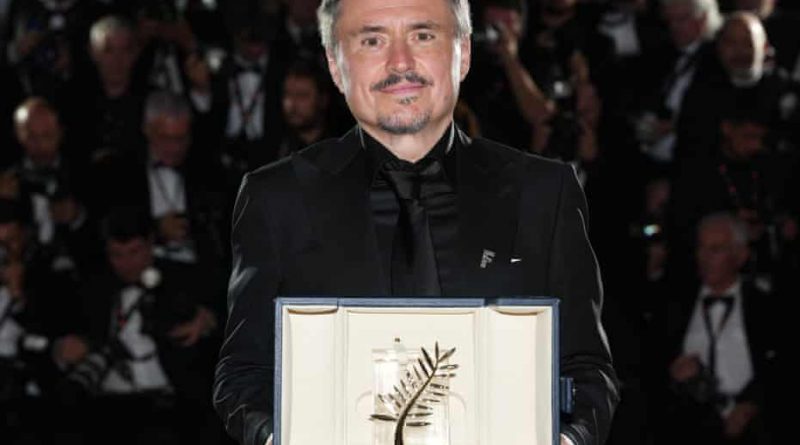
The 2026 Cannes Film Festival concluded with a slate of awards that underscored the continued prominence of European auteurs and internationally focused storytelling, with Romanian director Cristian Mungiu securing the Palme d’Or for Fjord, a drama examining cultural and ideological divisions within contemporary Europe.
The victory marked a return to Cannes’ top prize for Mungiu, who previously won the Palme d’Or nearly two decades ago for 4 Months, 3 Weeks and 2 Days. His latest film centers on a Romanian information technology engineer portrayed by Sebastian Stan. The character, a religious and socially conservative professional, finds himself navigating tensions between Romanian cultural traditions and the more secular social environment of Norway.
According to the film’s narrative, Norwegian authorities become involved in private family matters in ways that contrast with expectations held by the Romanian protagonists. The story explores differing interpretations of family autonomy, religious belief and state intervention across European societies.
Mungiu employs a restrained visual style and procedural storytelling techniques that have become associated with his work, using personal conflict as a vehicle for examining broader cultural questions.The film’s selection for the Palme d’Or signaled support from the festival jury for narratives addressing divisions within Europe, particularly those involving competing social, religious and political perspectives.
The award also reinforced Mungiu’s standing among the continent’s most prominent filmmakers.While Fjord received the festival’s highest honor, other films attracted significant attention during the awards ceremony. Among the most notable was Minotaur by Russian director Andrey Zvyagintsev, which received the Grand Prix, traditionally regarded as the festival’s second-highest award.
The film was described as a political and social allegory examining violence, denial and power in contemporary Russia. Through its fusion of personal experiences and broader political themes, Minotaur emerged as one of the festival’s most discussed entries. Its recognition by the jury reflected continued interest in films that address political realities through intimate human stories.
The Jury Prize, effectively the festival’s third-ranking award, was presented to The Dreamed Adventure by German director Valeska Grisebach. The film follows a Bulgarian archaeologist confronting historical injustices and unresolved legacies in the Balkans.
Its selection highlighted the jury’s interest in works examining memory, identity and historical accountability within Europe.Grisebach’s film employs an unconventional narrative structure and measured storytelling style. The award positioned the production among the festival’s most significant artistic achievements and is likely to increase international attention for the film beyond its Cannes premiere.
Another major winner was Fatherland by Polish filmmaker Pawel Pawlikowski, who shared the Best Director prize. The film examines the return of German novelist and Nobel laureate Thomas Mann to postwar Germany following his exile in California during the Second World War.
The story focuses on Mann’s journey alongside his daughter Erika and explores questions of national identity, memory and reconciliation in the aftermath of conflict. The production benefited from performances by actors Hanns Zischler and Sandra Hüller, both of whom play central roles in the historical drama.
Pawlikowski shared the directing honor with Spanish filmmakers Javier Calvo and Javier Ambrossi for The Black Ball. The film presents a multi-layered exploration of queer identity and history inspired by the work of Spanish poet and playwright Federico García Lorca.
The dual recognition reflected the jury’s willingness to honor projects employing very different approaches to storytelling. While Fatherland is rooted in historical biography and political memory, The Black Ball uses a broader and more expansive narrative structure to address themes of identity, culture and social change.
The Best Screenplay award went to Notre Salut, directed by Emmanuel Marre. The film recounts the story of Henri Marre, the director’s great-grandfather, who served as a minor official in the Vichy-controlled zone of France following the country’s defeat by Nazi Germany during the Second World War.
By examining a family connection to a controversial historical period, the screenplay explores questions of collaboration, responsibility and historical memory. The award recognized the film’s ability to engage with difficult historical material through a personal narrative framework.
In the acting categories, Japanese actress Tao Okamoto and Belgian actress Virginie Efira shared the Best Actress award for their performances in All of a Sudden by Japanese director Ryusuke Hamaguchi.The film follows the relationship between a French care-home supervisor and a Japanese stage director.
Its narrative examines emotional connection across cultural boundaries while also depicting the everyday realities of caring for elderly people. The performances of Okamoto and Efira were recognized for bringing contrasting emotional styles to the story, with one emphasizing restraint and the other a more overt emotional register.
The Best Actor prize was jointly awarded to Emmanuel Macchia and Valentin Campagne for their roles in Coward, directed by Belgian filmmaker Lukas Dhont. Set during the First World War, the film tells the story of two Belgian soldiers who develop a romantic relationship amid the conflict.
The recognition of Coward and The Black Ball highlighted the prominence of LGBTQ themes at this year’s festival, particularly stories focused on recovering experiences that have historically received limited attention in mainstream narratives. Their inclusion among the major award winners reflected broader trends within contemporary international cinema toward revisiting overlooked histories and identities.
Taken together, the Cannes awards demonstrated the festival jury’s preference for films addressing historical memory, political divisions and cultural identity through character-driven narratives. From Mungiu’s examination of competing European values in Fjord to Zvyagintsev’s political allegory in Minotaur and Pawlikowski’s exploration of postwar Germany in Fatherland, the winning films engaged with questions extending beyond individual stories to broader social and historical concerns.
The results also reinforced Cannes’ role as a platform for established international filmmakers, many of whom continue to use personal narratives to explore larger political and cultural issues shaping contemporary societies.