Midlife Hiking Boom Draws Newcomers to Multi-Day Treks Despite Steep Learning Curve
“For first-time adult hikers, the challenge often extends beyond physical endurance to mastering the logistics, equipment and culture of long-distance walking.”
When Philippa Chandler accepted an invitation from a friend to join a four-day trek on Tasmania’s Three Capes Track, she had never completed a multi-day hike.At 43, she described herself as unfit and recovering from burnout at the end of 2025.
The invitation offered an opportunity to step outside familiar routines and attempt an activity increasingly embraced by adults seeking physical challenge, outdoor recreation and personal renewal.
Long-distance walking has become a recurring theme in contemporary literature and popular culture, often portrayed as a route to reflection or self-discovery. Chandler was aware of the trope before setting out, citing several novels and memoirs that feature women undertaking transformative journeys on foot.
Nevertheless, she accepted the invitation and began preparing for an unfamiliar challenge.Unlike hobbies that can be learned with relatively limited risk, multi-day hiking requires a combination of physical conditioning, equipment planning and self-sufficiency. For newcomers, mistakes can have practical consequences ranging from discomfort to injury.Chandler approached the task methodically.
Having little experience with overnight hiking, she focused first on food preparation. Anticipating the need to carry supplies over several days, she experimented with dehydrating meals at home, including a bolognese sauce intended for the trail.
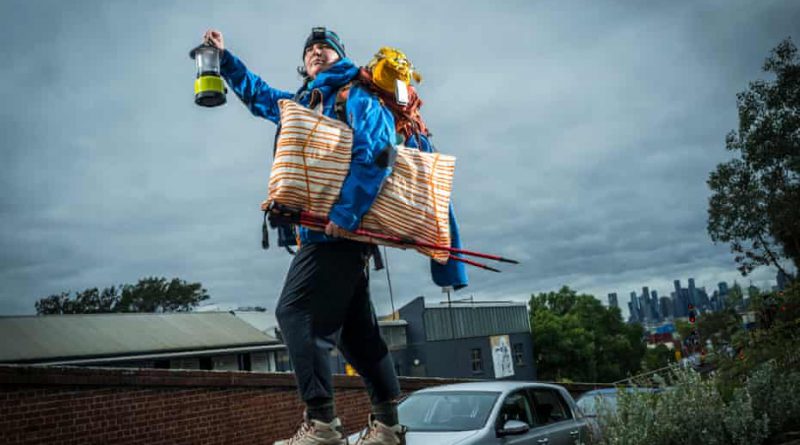
She also began training walks in Melbourne using a borrowed backpack loaded with household items to simulate the weight of hiking equipment. A bag of flour and a butternut pumpkin served as substitutes for clothing, food and gear. During one practice outing, she and her daughter walked several kilometers to an ice-cream shop before returning home by car.
The exercise provided an early lesson in preparation when rain arrived and Chandler realized she had not packed appropriate wet-weather clothing.Footwear became another focus. Experienced hikers often regard foot care as one of the most important aspects of long-distance walking, as blisters and other injuries can quickly undermine a trip.
Chandler spent time researching hiking shoes that balanced durability, comfort and affordability.Her preparations also introduced her to the specialized clothing commonly associated with hiking culture. Merino wool garments, valued for their moisture management and temperature regulation, are widely used by outdoor enthusiasts.
Chandler’s search for suitable clothing reflected the challenge many beginners face when assembling equipment that meets both practical requirements and budget constraints.Training for the hike involved many hours of walking around her local area. To make the repetitive exercise more engaging, Chandler listened extensively to podcasts, absorbing a wide range of information while completing laps of neighborhood parks and pathways.
By the time autumn arrived, she felt prepared to tackle Tasmania’s Three Capes Track, one of Australia’s best-known multi-day coastal hiking routes.Once on the trail, Chandler found herself paying close attention not only to the landscape but also to fellow hikers.
The shared experience of multi-day walking created opportunities to observe the habits, equipment choices and routines of other participants.Food, in particular, emerged as a source of fascination. Some hikers carefully rationed lightweight meals and snacks to minimize pack weight.
Others adopted a less austere approach, carrying luxury items that added significantly to their loads. Chandler encountered a group of older hikers who transported wine, cheese, dips and grapes for evening meals despite the additional weight.
The contrast highlighted the diverse approaches people take to outdoor recreation, even when facing the same physical demands.As with many first-time hikers, Chandler also discovered that packing decisions made at home can seem less sensible after several hours on the trail.
Carrying excess clothing became a recurring source of frustration during steep climbs.One incident involving local wildlife underscored the unpredictability of outdoor travel. After leaving her backpack unattended, Chandler returned to find that a raven had searched through its contents in pursuit of food.
In the process, the bird scattered personal belongings, including spare underwear, across a hut deck.The episode became one of several reminders that careful planning does not eliminate unexpected challenges.Another lesson emerged from her decision not to carry alcohol.
Expecting that fresh air, exercise and companionship would provide sufficient enjoyment, she left wine behind. After long days of walking, however, she found herself envying fellow hikers who relaxed with drinks in the evening.Despite the physical demands and occasional setbacks, Chandler completed the trek with a sense of accomplishment.
She returned home with photographs, memories and a greater appreciation for the preparation required to undertake multi-day hikes successfully.The experience also altered her perspective on outdoor recreation. What began as an unfamiliar challenge evolved into a hobby she intended to pursue further.
For Chandler, the journey demonstrated that entering a new activity later in life can involve discomfort, uncertainty and occasional embarrassment. It can also provide opportunities for achievement, learning and connection that are difficult to replicate elsewhere.
Having completed her first multi-day trek, she has already begun preparing for another, returning to training walks in the city while planning future adventures on the trail.