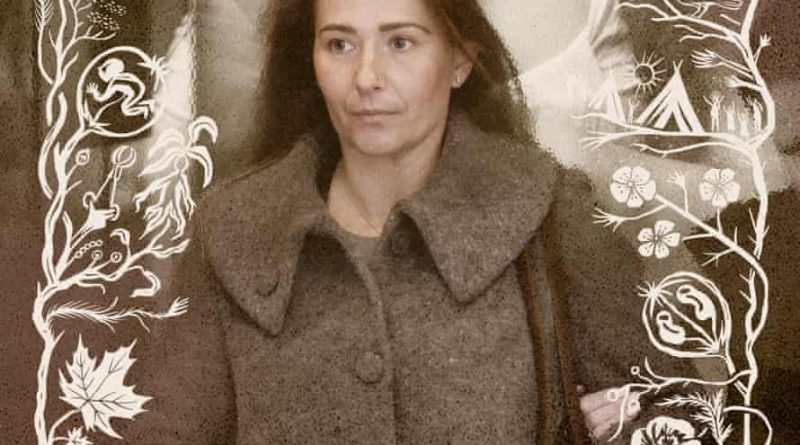
Australian Birth Keeper Faces Scrutiny After Two Preventable Infant Deaths Linked to Separate Investigations
*”The death of baby E was preventable,” the coroner determined, while making no personal findings against the birth keeper.
Two separate infant deaths connected to the work of an Australian birth keeper have drawn sustained scrutiny from health authorities and coronial investigations, highlighting ongoing questions about the role of unregulated birth attendants, informed consent, and the risks associated with births conducted outside the formal healthcare system.
Evidence presented during a coronial inquest detailed a recorded conversation between birth keeper Lal and a staff member at Mercy Hospital for Women following the death of an infant referred to as Baby E. According to the record, Lal told the hospital employee that she had not noticed a message for approximately 25 minutes. After seeing it, she said she initiated a FaceTime call with the baby’s parents, who showed her the infant. Lal said she believed the baby had died and instructed the parents to immediately call an ambulance.
The account contained in the hospital record broadly aligns with information Lal provided to police officers who attended the family’s home after emergency services were called, according to evidence presented before the coronial inquiry. Baby E was declared dead at the scene. Police interviewed both the child’s father and Lal before determining that there were no suspicious circumstances surrounding the death.
During the inquest, however, Lal offered a different description of her involvement. She testified that her communication with Baby E’s mother had been limited to arranging the hire of a birth pool. Lal said she only attended the family’s home after emergency services had already arrived, explaining that the baby’s mother had previously asked her to visit after the birth.
The circumstances surrounding Baby E’s death were later examined by Coroner Catherine Fitzgerald. In August, Fitzgerald determined that the infant’s death was preventable. While making that finding, the coroner did not make any adverse findings against Lal personally.
The case has since become part of a broader examination of Australia’s freebirth movement, in which some expectant mothers choose to give birth without registered medical practitioners or regulated midwives present. Health authorities have repeatedly cautioned that pregnancies and childbirth can become medical emergencies without warning, making timely access to professional care critical when complications arise.
Lal has publicly discussed the impact of Baby E’s death. During an interview published in 2023 by Positive Birth Australia, she said the experience had profoundly affected her while she herself was pregnant. She described reassessing her own decisions and confronting what she called the possibility of death before concluding that she still believed freebirth represented the safest option for her personally. Following that interview, Lal continued working as a birth keeper and later accepted Warnecke as a client nearly three years after Baby E’s death.
Warnecke’s death has since become the subject of a separate coronial investigation. Proceedings remain open while forensic specialists analyse material from her mobile phone. The inquest is expected to examine the circumstances that led Warnecke to decline medical treatment and the decisions made before her death.
Following Warnecke’s death, Victoria’s Health Complaints Commissioner intervened by suspending Lal from providing or advertising health services while an investigation into concerns about her professional conduct continues. The commissioner has not publicly announced the outcome of that investigation.
The two deaths have also intensified attention on individuals and organisations associated with the freebirth movement. Lal, along with Saldaya and Norris-Clark, did not respond to requests for comment regarding the matters examined during the investigations.
Saldaya has previously disputed criticism directed at her work. In an earlier response to reporting, she stated that some allegations made against her were false or defamatory. She has also maintained that she does not seek to persuade women to pursue freebirth but instead believes women should retain the ability to make their own choices regarding childbirth. In earlier public statements, she characterised reporting on the Free Birth Society as propaganda based on falsehoods.
Norris-Clark has similarly defended her public advocacy. Writing on her Substack publication in June, she rejected suggestions that her work endangered others. She argued that criticism stemmed not from providing instructions but from publicly demonstrating what she described as reclaiming birth outside established medical systems through personal responsibility.
The scrutiny surrounding the movement reflects wider public debate over childbirth outside regulated healthcare settings. Australian health authorities have consistently advised that births attended by qualified health professionals provide greater capacity to respond to unexpected complications affecting either mother or infant. Coroners have similarly emphasised that emergency situations during labour can develop rapidly even in pregnancies previously considered low risk.
Court evidence indicated that Lal’s involvement in birth work lasted approximately five years before ending following Warnecke’s death. During testimony, she described witnessing the death of someone she cared about as a deeply traumatic experience that ultimately led her to stop attending births altogether.
“It was really traumatic watching someone that you love die,” Lal told the court. “It was horrible. I don’t think I would be able to be in a birth space without bringing that in me.”
Her testimony marked a significant shift from the position she had expressed publicly after Baby E’s death, when she indicated she remained committed to freebirth despite acknowledging the emotional impact of the tragedy. By the time of the later proceedings, Lal said she had withdrawn entirely from birth attendance.
The coronial investigations continue to examine the factual circumstances surrounding the deaths while regulatory authorities pursue separate inquiries into compliance with health service standards. The findings are expected to contribute to broader discussions about oversight of unregulated birth services, informed decision-making during pregnancy, and the responsibilities of individuals who provide childbirth support outside Australia’s regulated healthcare framework.