Power Outages Spark Protests Amid Iraq’s Scorching Summer Heat
KUT-Hundreds of residents protested in the eastern Iraqi city of Kut over prolonged electricity outages as temperatures climbed to 44 degrees Celsius, with clashes between demonstrators and security forces leaving dozens of police officers injured, according to witnesses and local health officials.
The demonstrations, which began on Friday night and continued into the early hours of Saturday, were driven by mounting frustration over repeated power cuts during an intense summer heatwave. Protesters demanded that authorities improve electricity supplies as soaring temperatures placed additional strain on households across the city.
An AFP correspondent at the scene said hundreds of demonstrators took to the streets, with dozens throwing stones at security personnel during the unrest. Security forces responded by firing tear gas to disperse the crowd and detained more than 30 people.
The confrontations continued until early Saturday before the situation eased.
Two local health officials, speaking on condition of anonymity, said more than 50 police officers were injured during the violence. The number of injured protesters remained unclear, although one official estimated that around 30 demonstrators may have been wounded.
One health official said many protesters were believed to have avoided seeking treatment at hospitals because they feared being arrested following the demonstrations.
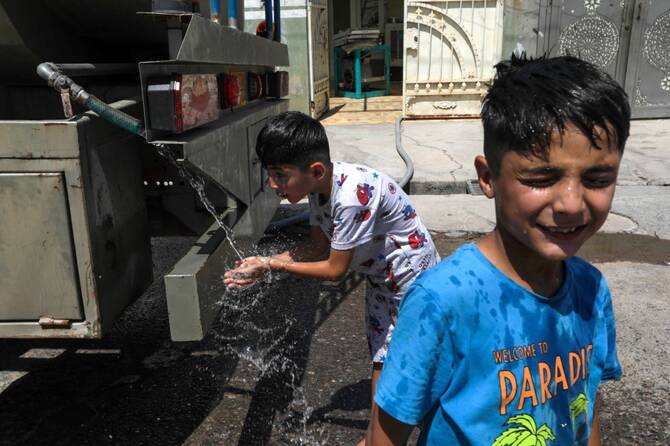
Power shortages have long been a source of public anger in Iraq, particularly during the country’s extremely hot summer months when temperatures frequently approach or exceed 50 degrees Celsius. Demonstrations over electricity supplies have become a recurring feature of the summer season in several Iraqi cities.
Years of conflict and underinvestment have left Iraq’s electricity infrastructure struggling to meet demand despite the country’s vast energy resources. Frequent outages force many families to rely on privately operated generators to power essential appliances such as refrigerators and air conditioners.
While Iraq is the second-largest oil producer within the Organization of the Petroleum Exporting Countries (OPEC), the country continues to depend on imported energy to help satisfy domestic electricity demand.
The latest protests underscore continuing public dissatisfaction over basic services, with electricity shortages remaining one of the most persistent domestic challenges facing Iraqi authorities during periods of extreme heat.