Iran conflict seen weighing on India’s growth more than inflation, supporting low interest rates
MUMBAI, March 5 — The recent U.S.-Israeli attack on Iran is expected to weigh more heavily on India’s economic growth than on inflation, a dynamic that could allow the Reserve Bank of India to maintain relatively low interest rates despite rising oil prices and financial market volatility, three sources familiar with policymakers’ thinking and analysts said.
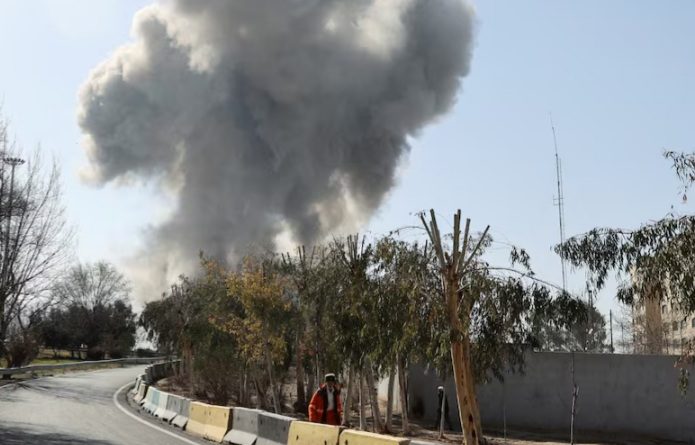
The conflict, which has spread tensions across much of the Middle East, has pushed global oil prices up by about 15%, disrupted gas flows from the region and triggered sharp reactions across Indian financial markets. The rupee fell to a record low, while government bond yields rose as investors grew concerned about the country’s current account deficit and the potential inflationary impact of higher energy costs.Despite the market turbulence, central bank officials assessing the situation believe the most immediate risk lies in slower economic growth rather than a sustained surge in inflation, according to the sources familiar with policy deliberations.
Growth risks outweigh inflation pressuresIndia relies heavily on imported crude oil, making it vulnerable to supply disruptions and price spikes when geopolitical tensions escalate in energy-producing regions. The recent conflict has raised concerns that prolonged instability could raise import costs and widen the country’s trade deficit.However, policymakers appear to believe that weakening economic activity could pose a more pressing challenge in the near term. Slower industrial output and potential disruptions to energy supplies could affect sectors reliant on stable fuel and gas availability.The current policy thinking contrasts with the reaction in financial markets, where traders have started pricing in the possibility of higher interest rates. Interest rates have risen across global and emerging markets since the conflict began, reflecting fears that higher energy costs could feed into broader inflation.In India’s interest-rate swap market, traders have increased bets that borrowing costs may rise at least once over the next 12 months.“I don’t feel the market has sufficiently priced the risk from oil prices rising significantly,” said Ritesh Bhusari, joint general manager for treasury at South Indian Bank. He said swap rates could move higher if Brent crude remains above $80 per barrel over the coming weeks.Policy pause after earlier rate cutsThe Reserve Bank of India’s Monetary Policy Committee paused its easing cycle in February after cutting the policy repo rate by 125 basis points during 2025 to support economic activity.The panel is scheduled to hold its next policy review in about a month, when policymakers are expected to reassess the economic outlook amid continuing geopolitical tensions.The sources declined to be identified because they are not authorised to speak publicly about internal policy discussions. An email sent to the Reserve Bank of India seeking comment was not immediately answered.Energy supply disruptions raise concernsThe most immediate economic risk for India may stem from disruptions to natural gas supplies from the Middle East. Earlier this week, Indian companies reduced gas supplies to some industries in anticipation of tighter flows from the region.Such restrictions could affect output in sectors including fertilisers and power generation, which depend heavily on stable gas supplies.One of the sources said that if supply disruptions persist for more than four weeks, they could begin to affect economic growth for at least a quarter.The Middle East conflict has also complicated global monetary policy expectations. Traders have pushed back bets on interest rate cuts by the Federal Reserve while increasing expectations of a potential rate hike by the European Central Bank.Analysts at Goldman Sachs said a sustained rise in oil prices above $100 per barrel or a faster transmission of energy costs into consumer prices could push global central banks toward a more hawkish stance.