Pope Leo Urges Ethical Intelligence Practices to Strengthen Italy’s Democratic Future
Rome – Pope Leo has called on Italy’s intelligence agencies to uphold the highest ethical standards, urging them to protect public trust by ensuring that sensitive information is never misused against politicians, journalists, or civil society members.
His message comes at a symbolic moment as Italy marks the centenary of its intelligence services, highlighting both the importance of national security and the need for responsibility in a rapidly evolving digital landscape.
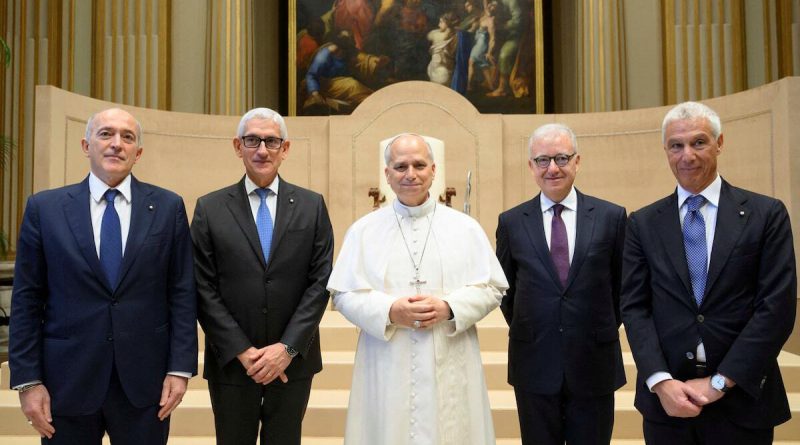
During the ceremony in Rome, the pontiff praised the intelligence community for its essential role in safeguarding the country and supporting the Vatican’s own security needs.
He noted that the work of intelligence professionals demands discipline and integrity, especially when handling confidential material.
The Pope emphasized that democratic societies depend on institutions that act with transparency, legality, and respect for individual rights.
He warned that any misuse of private information risks eroding public confidence and weakening the foundations of a free society.
His remarks follow public concern over allegations of surveillance abuses in recent years, including reports of spyware targeting journalists and human rights advocates.
The Pope used the occasion to encourage reforms that reinforce accountability while allowing intelligence agencies to continue protecting national interests effectively.
He highlighted the growing challenges of the digital age, where misinformation, cyberattacks, and technological manipulation can undermine social stability.
At the same time, he expressed confidence that Italy’s security institutions can meet these challenges through a renewed commitment to legal safeguards and ethical guidance.
Pope Leo also offered a broader reflection on the moral responsibilities that accompany intelligence work, reminding leaders to remain mindful of the temptations inherent in positions of authority.
He urged the agencies to ensure that every action they take is proportional, lawful, and directed toward the common good.
By grounding intelligence operations in respect for human dignity, he said, Italy can set an international example of responsible security governance.
In his remarks, the Pope also acknowledged that religious institutions in several countries have experienced pressure or interference from intelligence authorities acting beyond their proper mandates.
Although he did not provide specifics, he expressed hope for greater protection of religious freedom and institutional independence.
This statement underscored his ongoing commitment to defending fundamental rights across all sectors of society.
Humanitarian workers and activists welcomed the Pope’s message, noting that his words lend powerful support to those advocating for transparency and accountability.
They praised his call for ethical intelligence practices as an important step toward restoring public confidence and ensuring that democratic institutions remain resilient.
Security experts also noted that his speech aligns with modern governance trends that emphasize responsible data management and oversight of advanced digital tools.
They said that such guidance helps democratic societies adapt to new threats while preserving core civil liberties.
By encouraging Italy’s intelligence community to lead with integrity, the Pope promoted a positive vision of security rooted in collaboration, respect, and democratic values.
As Italy continues to modernize its intelligence framework, his message will likely serve as a moral reference point for policymakers seeking to balance security needs with individual freedoms.
His remarks reinforced the principle that strong moral leadership is essential in a world where information can be both a powerful tool and a potential threat.
The event concluded with renewed optimism about the future of Italy’s intelligence services, as the Pope’s call for ethical vigilance and legal accountability resonated widely.
His message offered a hopeful path forward, inspiring confidence that security and human rights can advance together in a balanced and principled way.