China pushes Iran war diplomacy bid as U.S. shows little appetite for mediation
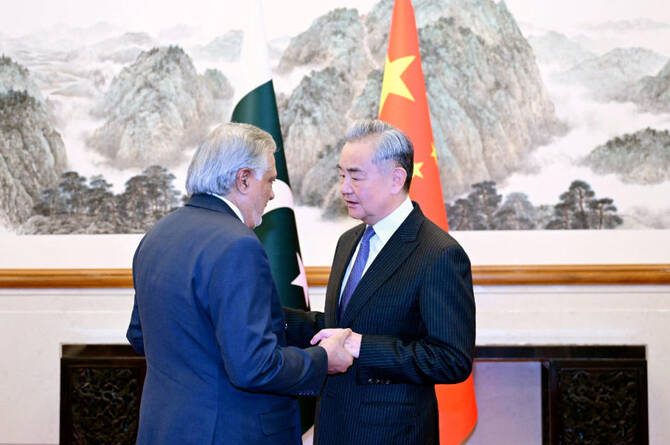
Washington — China is intensifying diplomatic efforts to position itself as a global mediator in the Iran conflict, proposing a five-point plan with Pakistan and engaging regional powers, but U.S. officials appear largely uninterested in Beijing’s initiative, according to officials and analysts.
Wang Yi has led a flurry of outreach, holding discussions with counterparts across the Middle East and Europe while advocating a ceasefire and reopening of the strategically vital Strait of Hormuz. Beijing has also opposed a United Nations proposal backed by Bahrain that could authorize force to ensure maritime transit through the strait.
Analysts say the diplomatic push reflects China’s broader ambition to project itself as a responsible global power. Sun Yun of the Stimson Center said the conflict presents an opportunity for Beijing to demonstrate leadership, while former U.S. diplomat Danny Russel described the initiative as largely symbolic, comparing it to China’s earlier proposals on Ukraine that lacked implementation.
“It’s messaging, not mediation,” Russel said, arguing that China is seeking to contrast its approach with Washington’s.The administration of Donald Trump has shown limited enthusiasm for third-party mediation, with U.S. officials indicating reluctance to elevate China’s diplomatic role in the Middle East.
One official described Washington’s stance on the China-Pakistan proposal as “agnostic,” though the position could shift ahead of a planned summit between Trump and Xi Jinping expected in mid-May.Beijing has an economic incentive to contain the conflict, particularly disruptions linked to the Strait of Hormuz, a key artery for global energy flows.
While China has reduced its reliance on Iranian oil to about 13 percent of imports and maintains strategic reserves, analysts warn that prolonged instability could raise input costs and weaken global demand for Chinese exports.
China has also worked to secure safe passage for its vessels through the strait, even as tensions have driven up energy prices worldwide. At the same time, Beijing’s position aligns with Moscow’s opposition to measures that could expand the conflict, with both countries wary of endorsing force through the United Nations Security Council.
Diplomatic activity has intensified in recent days, with Wang engaging officials from countries including Iran, Saudi Arabia, Israel, France and the United Arab Emirates. He has also sought backing from European Union foreign policy chief Kaja Kallas and regional leaders for China’s ceasefire proposal.
China’s embassy in Washington said Beijing has been working “tirelessly for peace,” while analysts note that its approach emphasizes calls for de-escalation, respect for international law and a greater role for the United Nations.
However, U.S. officials say the proposal lacks operational detail, describing it as a broad appeal rather than a concrete roadmap for ending the conflict. The muted response from Washington underscores broader strategic competition between the two powers, limiting the prospects for coordinated diplomacy.
Meanwhile, efforts at the United Nations continue, with Bahrain revising its proposal to authorize defensive measures to protect shipping through the Strait of Hormuz, with a vote expected in the coming days.