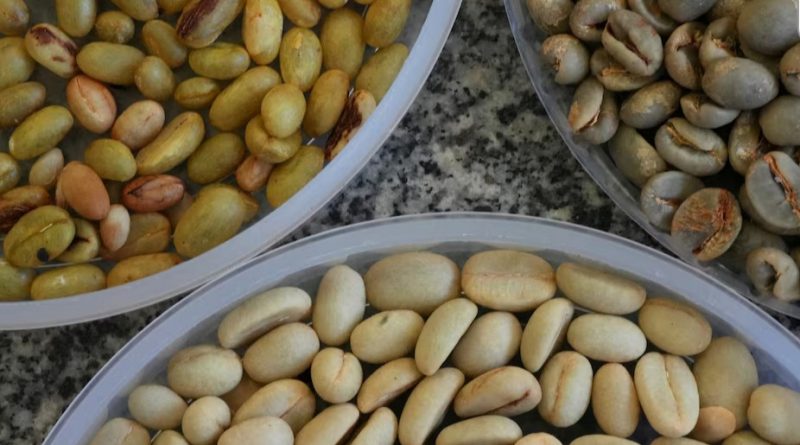
Brazil scientists turn to wild coffee genes to safeguard arabica from climate stress
“Working with alternative species of coffee is vital because arabica has an extremely narrow genetic base, making it highly vulnerable to pests, diseases, and climate change.”
Brazilian researchers are developing new coffee hybrids by blending genetic material from rare and non-commercial species in an effort to protect global arabica production from the growing impact of climate change.
At the Campinas Agronomy Institute in São Paulo state, agronomist Oliveiro Guerreiro Filho tends to a diverse collection of coffee plants that contrasts sharply with the uniform plantations typical of Brazil’s commercial farms. The experimental plots include about 15 lesser-known species such as racemosa, liberica and stenophylla, each offering genetic traits that scientists hope can strengthen the resilience of arabica, the world’s most widely consumed coffee variety.”
Researchers warn that arabica crops are particularly vulnerable to rising temperatures and shifting weather patterns. A report released this week by Rabobank said climate change could render about 20% of current arabica-growing areas unsuitable by 2050, with Brazil, the world’s largest producer, expected to see declining output.
To address these risks, scientists are attempting to introduce hardier genetic traits from wild and underutilized species into arabica plants. The goal is to develop hybrids that can withstand drought, heat, pests and diseases while maintaining the flavor and yield characteristics that make arabica dominant in global markets.“We’ve been working at the institute for many years to transfer drought tolerance genes from the racemosa species to arabica,” Guerreiro Filho said. “We’re trying to create drought-tolerant arabica varieties.
The process is complex and time-intensive. Researchers must cross-breed different species, cultivate hybrid plants, and subject them to harsh environmental conditions to identify those with the strongest resilience. Guerreiro Filho said the full development cycle can take between 20 and 30 years before a viable variety is ready for commercial use.
Some of the traits being targeted are already evident in the wild species. Liberica, for example, has drawn attention from farmers in Southeast Asia for its ability to tolerate high temperatures and dry conditions. Small-scale growers in Indonesia and Malaysia have begun cultivating the species experimentally to assess its performance under climate stress.”
Liberica can tolerate heat and high temperature environments very well, and it is disease-resistant,” said Jason Liew, founder of My Liberica, a coffee plantation in Malaysia’s Johor state.
While such characteristics are valuable, liberica and other non-arabica species have limited commercial appeal due to lower yields or different flavor profiles. Brazilian researchers are therefore focused on transferring these beneficial traits into arabica, rather than replacing it entirely.
Early results from hybridization efforts suggest potential gains in both resilience and crop protection. Arabica plants cross-bred with liberica have shown increased resistance to coffee rust, a fungal disease that has devastated crops in several producing regions. Meanwhile, hybrids incorporating racemosa genetics appear better able to withstand attacks from coffee leaf miner larvae, a common agricultural pest.
Scientists say these advances are critical given arabica’s narrow genetic base, which limits its natural ability to adapt to environmental changes. Expanding that genetic diversity is seen as a key strategy for sustaining long-term production.“Working with alternative species of coffee is vital because arabica has an extremely narrow genetic base,” said Rodolfo Oliveira, head of the coffee unit at Brazil’s state research agency Embrapa. “This makes it highly vulnerable to pests, diseases, and climate change.
”The research also reflects broader shifts in the global coffee sector, where producers are increasingly grappling with the economic and environmental consequences of climate volatility. Reduced yields, rising production costs and shifting cultivation zones are already affecting supply chains, with implications for prices and market stability.
Brazil’s efforts to develop more resilient coffee varieties may play a central role in shaping the future of the industry. As the leading global producer and exporter, changes in its output have significant ripple effects across international markets.
At the same time, the long timelines required for developing new hybrids mean that current research will only begin to deliver results years from now. Until then, farmers remain exposed to immediate climate risks, underscoring the urgency of both scientific innovation and adaptive farming practices.