Honduras Election Dispute Spurs Calls for Transparency and Calm
Tegucigalpa – Election tensions in Honduras intensified as a congressional panel questioned the validity of the Nov. 30 presidential vote, but many in the country expressed hope that the situation would encourage stronger transparency, improved electoral processes, and a renewed commitment to democratic institutions.
The ongoing dispute has also energized public discussions about the importance of fair governance and accountability.
Officials from the congressional commission raised concerns over what they described as an “electoral coup,” pointing to delays in reporting and claims of interference.
Despite the heated rhetoric, analysts emphasized that established procedures remain in place to ensure an orderly review of the results.
Although the ruling LIBRE party is not expected to win the election, it has endorsed Liberal Party candidate Salvador Nasralla, who has also raised questions about the integrity of the count.
Supporters say this moment offers an opportunity for all political actors to strengthen confidence in Honduras’ democratic framework.
The congressional declaration, while symbolic, does not guarantee any immediate change to the results.
Experts note that the National Electoral Council retains full authority over final validation, providing an institutional buffer that supports stability during tense periods.
Legal analyst Henry Salinas stated that the situation remains firmly in the Council’s control, underscoring the importance of allowing electoral authorities to work without undue pressure.
This reassurance has helped calm some public concerns, reinforcing the role of legal processes in safeguarding the vote.
The latest tally shows Nasry Asfura leading Nasralla by roughly 40,000 votes with more than 99% of ballots counted.
However, irregularities in around 15% of tally sheets require further review, keeping the outcome open and generating anticipation across the country.
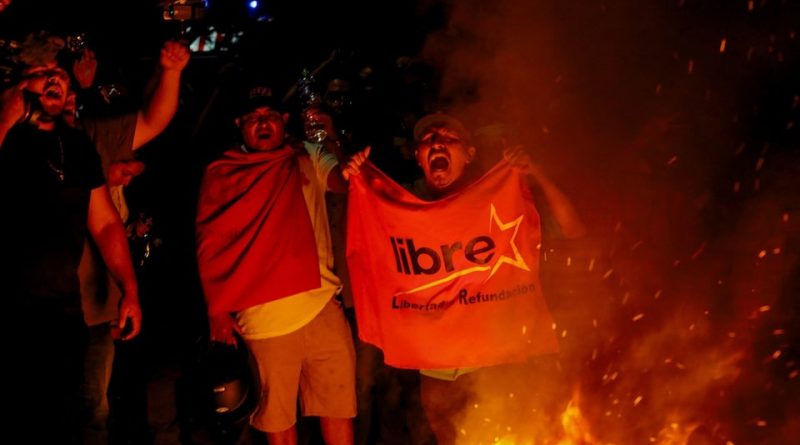
Thousands of citizens took to the streets in Tegucigalpa calling for fairness and transparency.
Their demonstrations highlighted a shared ambition among Hondurans to strengthen democratic norms and push for improvements in the electoral system.
President Xiomara Castro voiced concerns about delays and inconsistencies, encouraging her supporters to participate peacefully and demand clarity.
Many saw her remarks as part of a broader effort to reinforce public oversight and ensure accountability during the final stages of the count.
International attention has also heightened, with calls from the Organization of American States urging faster reporting and maximum transparency.
The OAS emphasized the need for the National Electoral Council to operate independently, free from political pressure or attempts to disrupt public order.
Observers noted that despite the strong statements and protests, demonstrations have remained largely peaceful, reflecting a desire among Honduran citizens to advocate responsibly for democratic values.
This atmosphere has contributed to hopes that the outcome—whatever it may be—will ultimately reflect the will of the people.
The election has triggered debate about the role of external influence, after statements made by foreign leaders added to political tensions.
Many Hondurans, however, insist that the nation’s democratic processes must be protected from outside pressures and guided by constitutional principles.
As the National Electoral Council continues its work, citizens are calling for unity and patience, believing that the current challenges can lead to stronger institutions.
The widespread engagement of voters, activists, and civil society groups demonstrates a collective commitment to shaping a more transparent and accountable future.
Despite the uncertainty, many view this moment as an opportunity to reform electoral procedures, build trust, and reaffirm the importance of democratic participation.
The spirit of civic involvement has offered reassurance that Honduras can steer through this tense period and emerge with a clearer, more resilient political system.