Israel Strikes Lebanon Again as Death Toll Surges, Ceasefire at Risk
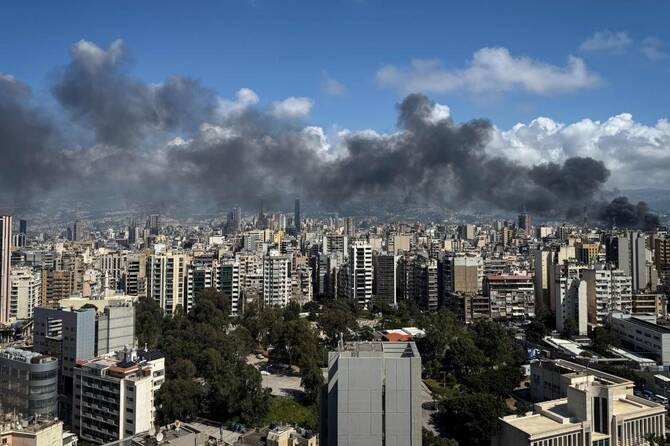
Dubai— Israel launched fresh airstrikes across Lebanon on Thursday, killing more civilians and escalating a conflict that threatens to derail a fragile regional ceasefire, as Prime Minister Benjamin Netanyahu said operations against Hezbollah would continue “wherever necessary.”
Lebanon’s health ministry said at least 203 people were killed and more than 1,000 wounded in widespread Israeli strikes on Wednesday, marking the deadliest day in over five weeks of renewed fighting between Israel and the Iran-backed group Hezbollah.
Netanyahu said Israel was continuing to strike Hezbollah targets with “force, precision, and determination,” adding that operations would persist until security is restored in northern Israel.
The Israeli military said it was also conducting ground operations in southern Lebanon and had struck crossings used by Hezbollah fighters, along with weapons storage sites and command centers.The escalation comes despite a ceasefire announced earlier this week by U.S. President Donald Trump following heightened tensions with Iran.
Israel and Washington have said the truce does not apply to Lebanon, while other countries have called for its expansion to include the country.Lebanon’s cabinet moved to tighten state control over security, with Prime Minister Nawaf Salam directing authorities to restrict weapons in Beirut to state institutions.
The government had previously banned Hezbollah’s military activities, though the group has continued operations.Iran warned that continued Israeli attacks on Hezbollah would carry “explicit costs and strong responses,” as diplomatic efforts to resolve the broader conflict remained uncertain.
Tehran has said no agreement would be reached while strikes on Lebanon continue.The Israeli military said it had killed a relative of Hezbollah Secretary-General Naim Qassem in recent strikes, identifying him as a close aide involved in the group’s operations.
Hezbollah said it had resumed attacks on Israeli positions after initially indicating it would pause operations in line with the ceasefire, firing across the border and targeting Israeli forces in southern Lebanon.
Rescue teams continued searching for survivors under rubble in Beirut and other affected areas after strikes hit densely populated neighborhoods, many without prior warning, according to local accounts.
The conflict has also intensified pressure on global energy markets, with disruptions linked to the broader regional crisis pushing oil prices sharply higher and raising concerns about supply stability.