Global push to quit fossil fuels gains urgency amid energy shock
Paris— More than 50 countries will convene in Colombia on April 28–29 for the first international conference dedicated to phasing out fossil fuels, as disruptions linked to the Iran conflict intensify concerns over energy security and highlight continued global reliance on coal, oil and gas.
Ministers are set to gather in Santa Marta against the backdrop of fuel shortages and rising prices following what the International Energy Agency has described as the largest oil supply shock on record, driven in part by constraints around the Strait of Hormuz, a critical transit route for global energy supplies.
The conference, co-hosted by Colombia and the Netherlands, was initiated amid frustration with the pace of negotiations under United Nations climate frameworks, where consensus-based processes have struggled to produce a clear pathway for reducing fossil fuel dependence.
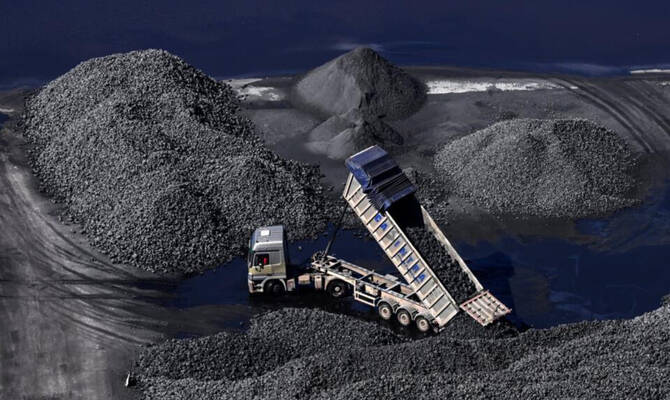
Organisers say the current energy crisis has reinforced the strategic need for a managed transition, even as some governments increase coal use in the short term to stabilise domestic supply.Energy security considerations are expected to weigh as heavily as climate commitments during the discussions, reflecting the policy dilemma facing both advanced and developing economies.
Countries including Australia, Canada and Norway are expected to attend alongside emerging producers such as Angola, Mexico and Brazil, as well as coal-reliant economies like Turkiye and Vietnam. European nations including Germany, France and the United Kingdom are also set to participate.
However, several of the world’s largest fossil fuel producers and consumers, including the United States, China, Saudi Arabia and Russia, will not be represented, limiting the scope of any immediate global alignment.Colombia’s environment minister Irene Vélez Torres said the meeting has gained increased relevance in light of recent geopolitical developments, describing it as an opportunity to foster more direct engagement between producers and consumers on an issue often constrained in multilateral forums.
Analysts say the smaller, focused format may allow for more candid discussions but could also dilute outcomes given the diversity of national interests. Climate scientist Bill Hare of Climate Analytics noted that broader participation can make it harder to reach specific commitments, while supporters argue the inclusion of fossil fuel-producing nations marks a necessary step in advancing negotiations.
Participants from climate-vulnerable states, including Tuvalu and Vanuatu, are expected to push for accelerated timelines, citing the disproportionate impact of climate change and their reliance on imported energy. Officials from these countries have framed the current crisis as further evidence of the need to reduce dependence on fossil fuels.
Global investment in clean energy now outpaces spending on fossil fuels by roughly a factor of two, yet emissions from coal, oil and gas reached a record high in 2025, underscoring the gap between policy commitments and implementation.
The Santa Marta meeting is not expected to yield binding agreements but will contribute to a voluntary roadmap on fossil fuel transition being developed under Brazil’s leadership, as countries continue to grapple with balancing climate goals and energy security.