Afghans Stranded in Qatar Reject Congo Relocation, Taliban Urges Return
Kabul — Afghanistan’s Taliban-led foreign ministry on Saturday urged Afghans who assisted the United States during its two-decade war and are now stranded in Qatar awaiting resettlement to return home, saying they could do so safely despite fears of reprisals voiced by many of the refugees.
The statement came after reports that the administration of U.S. President Donald Trump was discussing the possible relocation of around 1,100 Afghans, including former U.S. war helpers and relatives of American service members, to the Democratic Republic of Congo as part of efforts to resolve their prolonged displacement.
Foreign ministry spokesperson Abdul Qahar Balkhi said Afghanistan remained the “shared homeland of all Afghans” and invited those concerned to return with “full confidence and peace of mind,” rejecting concerns that they faced security threats under Taliban rule.
He said those wishing to migrate to other countries could do so later through “legal and dignified channels” and added that Kabul was ready to engage with all countries on the matter.
The remarks followed disclosures by advocacy group #AfghanEvac, which supports Afghan resettlement efforts, that U.S. officials had informed the group of talks between Washington and Congo regarding refugees housed at Camp As-Sayliyah, a U.S. base in Doha, where many have remained in limbo for more than a year.
The U.S. State Department said it was working to identify options for “voluntary” resettlement in a third country, but did not confirm which countries were under discussion.
For many of the Afghans at the camp, returning to Afghanistan is not considered safe. Many had worked directly with U.S. military forces, diplomatic missions, or affiliated programs during the war and fear retaliation from the Taliban, who returned to power in 2021 following the withdrawal of U.S.-led forces.
In a joint statement shared by #AfghanEvac, refugees at the camp said they had not been formally informed by U.S. officials about the possible transfer to Congo and learned of the discussions through media reports.
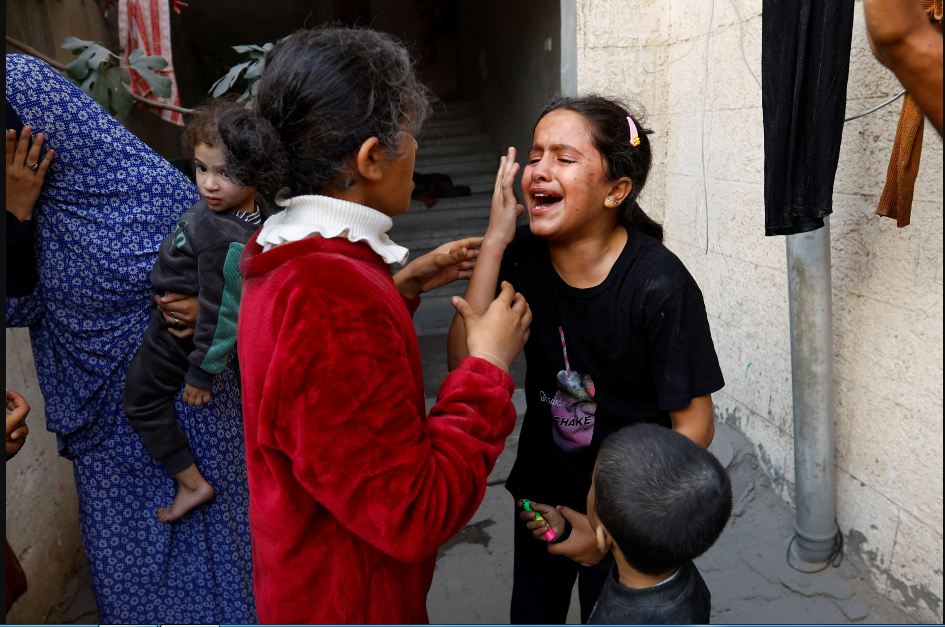
They said the prolonged uncertainty had severely affected their mental health.“Many of us are not well. The uncertainty has been more than some of us can carry. There is deep depression,” the group said, describing worsening psychological distress among families who have spent months waiting for relocation.
The refugees also firmly rejected the idea of being moved to Congo, citing ongoing violence there.“We do not want to go to the Democratic Republic of Congo,” the statement said. “It is a country in its own war. We have been in enough war.
We cannot take our children into another one.”The Democratic Republic of Congo has faced decades of instability, particularly in its eastern region, where fighting between government forces and Rwanda-backed rebel groups has intensified.
Camp residents also said returning to Afghanistan was not an option.“The Taliban will kill many of us for what we did for the United States,” the statement said. “This is not a fear. This is a fact.”The relocation discussions come more than a year after President Trump suspended his predecessor’s Afghan refugee resettlement program as part of broader immigration restrictions, leaving thousands of vetted Afghan applicants stranded in transit hubs across the world, including Qatar.
Many had already completed years of security screening and documentation for U.S. resettlement before the process was halted.
The uncertainty over their future continues to underscore the unresolved humanitarian fallout of America’s withdrawal from Afghanistan and the fate of those who supported its mission there.