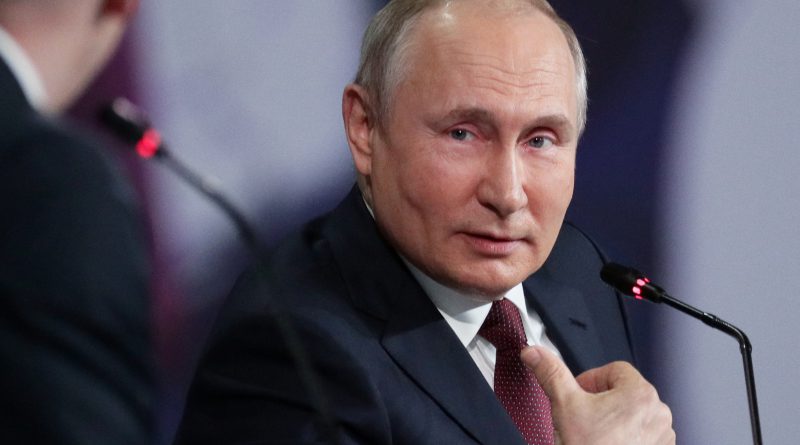
Putin Signals Openness to Continued Talks as US Peace Proposals Advance
Moscow – The Kremlin confirmed that President Vladimir Putin has accepted parts of the latest United States peace proposals on Ukraine, marking a cautious but notable step toward diplomatic progress. The engagement reflects a willingness from both Moscow and Washington to keep channels open as efforts intensify to shape a framework capable of ending the conflict.
Following extended discussions in Moscow between Putin and the US President’s special envoy Steve Witkoff, joined by senior adviser Jared Kushner, Russian officials stated that the dialogue was constructive. A Kremlin aide acknowledged that compromises had not yet been finalized, but emphasized that the talks represented an important beginning in aligning perspectives.
Kremlin spokesperson Dmitry Peskov reiterated that it would be inaccurate to say the proposals were rejected in full. Instead, he described the talks as a direct exchange of views, with some ideas accepted and others deemed unsuitable. This, he noted, was part of a normal negotiation process in which both sides work through disagreements to identify shared ground.
Peskov highlighted Russia’s appreciation for the diplomatic efforts being made by the US administration. He added that while the Kremlin values transparency, ongoing discussions would not be accompanied by detailed public updates, as discretion was essential to maintaining a productive environment for negotiations.
According to Peskov, expert-level teams from both sides are now working through the details of the proposals. These discussions are expected to produce tangible results that will pave the way for potential future engagements at the highest political level. The structured approach indicates a deliberate attempt to build a durable foundation for peace efforts.
The developments come amid a series of overlapping proposals from different international actors. A previous set of 28 US draft peace points circulated in November, prompting concerns among Ukrainian and European officials who felt they were overly accommodating to Moscow’s demands. European states later drafted their own counter-proposal, while new discussions in Geneva led the US and Ukraine to assemble what they described as an updated and refined peace framework.
Putin expressed unease with certain European suggestions, stating that some of the ideas were completely unacceptable to Russia. However, the ongoing talks illustrate that Moscow remains engaged in the broader diplomatic process, even while disagreements persist. The Russian president’s foreign policy aide, Yuri Ushakov, said the discussions with Witkoff covered a series of documents, including previous sets of proposals and new additions.
The outlines of the peace frameworks under discussion have not been disclosed publicly. Nonetheless, the continuity of dialogue and the acknowledgment that some US ideas have been accepted signal a potentially meaningful shift in tone. Both sides appear committed to repeated meetings if necessary, reflecting an understanding of the complexity of the issues at stake.
The diplomatic momentum suggests a shared desire to identify avenues for de-escalation. As expert teams continue to review, revise and refine proposals, the possibility of creating a balanced and practical peace framework becomes increasingly viable. While challenges remain, the reaffirmation of dialogue underscores a broader recognition that sustained communication is essential for progress.
In a global climate where conflicts carry far-reaching consequences, this renewed engagement between the US and Russia may help stabilize the international environment. With both parties expressing readiness for continued negotiations, the path toward a workable agreement remains open, setting the stage for future diplomatic breakthroughs.