How US Freight Rail Can Lead America’s Next Clean Transport Transition
US freight rail is entering a new phase where modernization can deliver cleaner, more sustainable transportation.
The US freight rail industry has historically been one of the most energy-efficient ways to move goods across vast distances. Steel wheels on steel rails have allowed railroads to transport heavy cargo using far less fuel than trucks, supporting economic growth while easing pressure on highways.
In recent years, however, environmental scrutiny has increased as attention turns to emissions from aging diesel locomotives. This challenge is also an opportunity. With the right investments and regulatory clarity, freight rail can once again position itself as a leader in clean transportation.
Freight railroads today move nearly 40% of the nation’s long-distance freight, a role that significantly reduces road congestion and lowers overall fuel consumption. Policymakers and industry leaders increasingly recognize that improving locomotive technology could multiply these benefits for public health and the environment.
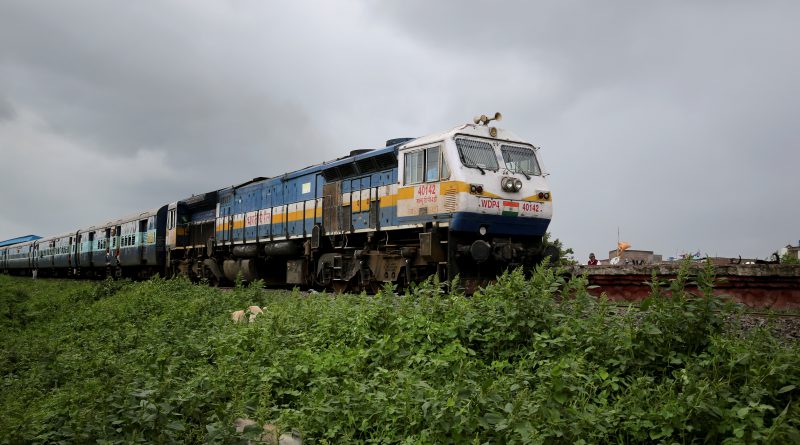
One of the central issues is the age of the locomotive fleet. Many engines in service were built decades ago, operating under older emissions standards. While these locomotives remain mechanically reliable, modern designs offer dramatic reductions in nitrogen oxide and particulate emissions.
Newer locomotives, hybrid engines, and battery-assisted technologies are already being tested across parts of the network. These pilots show that railroads can cut emissions sharply while maintaining operational efficiency and profitability over the long term.
Rail companies also face complex investment decisions. Locomotives are long-life assets, and firms must balance near-term costs with future regulatory certainty. Clear, stable environmental policies can help unlock large-scale fleet upgrades and accelerate cleaner adoption.
Communities stand to gain substantially from modernization. Reduced smog-forming emissions would mean improved air quality near rail corridors, ports, and urban hubs. Public health improvements translate into lower healthcare costs and stronger local economies.
From a climate perspective, cleaner rail strengthens the entire transportation system. As supply chains grow and e-commerce expands, shifting more freight to low-emission rail supported by modern engines can reduce pressure on higher-polluting modes.
Industry leaders have already signaled willingness to innovate when conditions align. Investments in alternative fuels, idle-reduction systems, and digital efficiency tools demonstrate a sector preparing for its next evolution rather than resisting change.
The freight rail story, therefore, is not one of decline but of transition. With collaboration between regulators, manufacturers, and rail operators, the industry can modernize its fleet, protect public health, and reinforce its role as a backbone of sustainable commerce.
By embracing cleaner technology and long-term planning, US freight rail can move beyond today’s challenges and set a global example of how legacy infrastructure adapts to meet modern environmental goals.