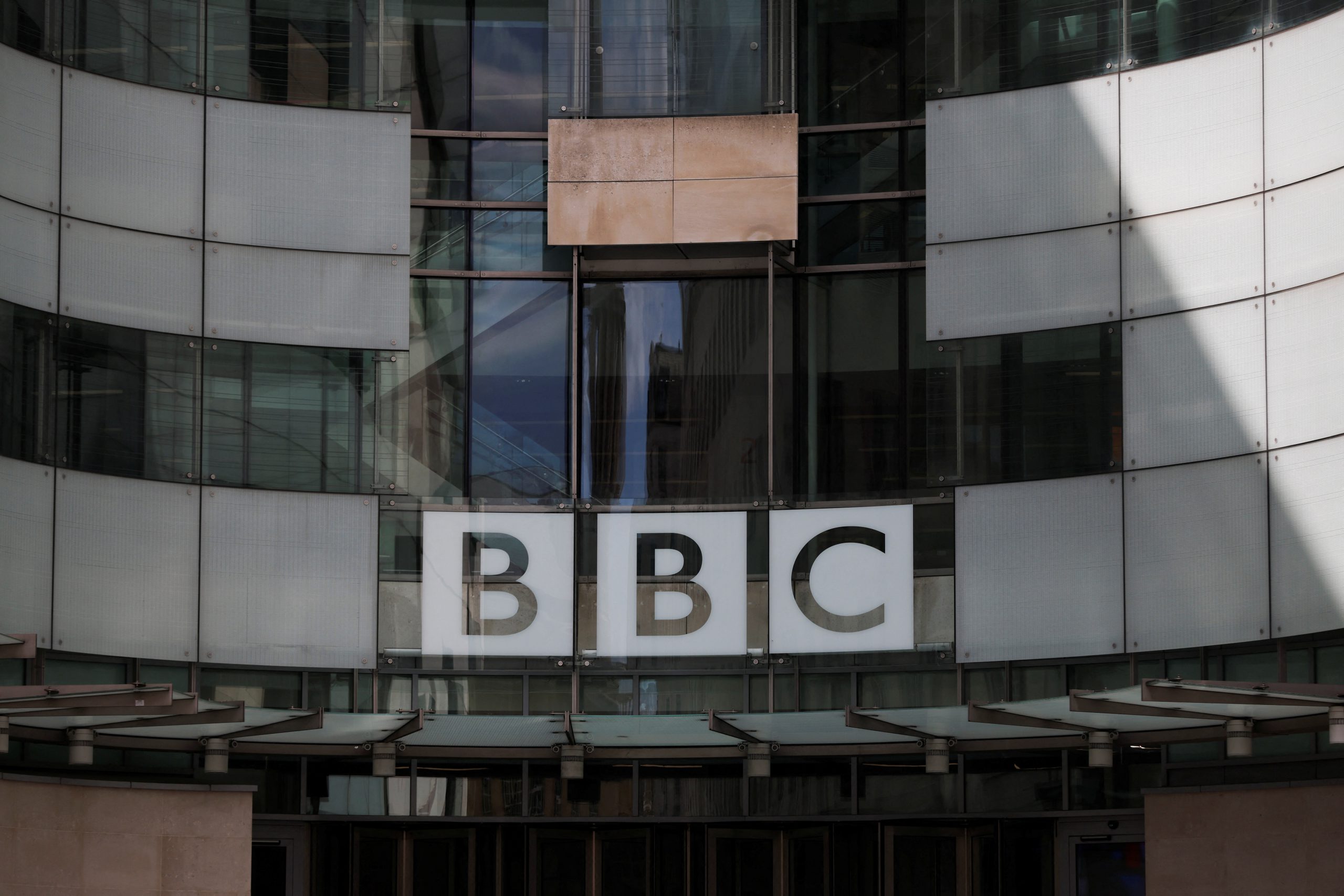
BBC Reaffirms Editorial Independence as Legal Process Unfolds in London
London – London has become the focal point of an important media and legal moment as the British Broadcasting Corporation confirmed it will contest a high-profile lawsuit related to the editing of a past political speech.
The case has drawn wide international attention, highlighting the complex relationship between global media organizations, political figures, and the legal frameworks that govern public communication.
BBC representatives stated clearly that the organization stands by its editorial processes and will engage fully with the legal system to address the matter responsibly.
By choosing to defend the case, the broadcaster has emphasized its confidence in established journalistic standards and the protections afforded to independent media institutions.
The situation reflects the broader role of public broadcasters in navigating sensitive political content while serving diverse international audiences.
BBC officials have reiterated that their approach is rooted in long-standing editorial guidelines designed to ensure accuracy, balance, and public accountability.
Observers note that such cases, while challenging, often reinforce the importance of transparent legal mechanisms in resolving disputes involving freedom of expression.
The broadcaster’s response underscores a commitment to due process rather than public confrontation, allowing the courts to assess the claims objectively.
Media analysts suggest that the lawsuit places renewed focus on how edited material is interpreted in highly polarized political environments.
At the same time, it highlights the evolving responsibilities of news organizations operating in an era of rapid digital dissemination and global scrutiny.
The BBC’s decision to avoid extensive public commentary reflects a cautious and professional stance, consistent with best practices during ongoing legal proceedings.
This measured approach has been viewed positively by many in the journalism community, who see it as a sign of institutional maturity.
The case also serves as a reminder of the legal safeguards that exist to balance reputation, public interest, and press freedom.
In democratic societies, courts often play a vital role in clarifying these boundaries, strengthening trust in both media and legal institutions.
For audiences, the development offers an opportunity to reflect on how news content is produced, edited, and contextualized.
It also underscores the importance of media literacy, encouraging viewers and readers to engage critically with information from multiple sources.
The BBC’s global reputation as a public service broadcaster adds further significance to the proceedings, given its reach and influence worldwide.
International media organizations often face heightened scrutiny, making adherence to transparent editorial standards especially important.
Legal experts point out that disputes of this nature are not uncommon and can ultimately help clarify standards for future reporting.
Rather than weakening institutions, such challenges can strengthen frameworks that protect responsible journalism and free expression.
The unfolding case is being closely watched across media, legal, and political circles as an example of how established institutions respond under pressure.
While the outcome remains to be determined, the process itself reflects the rule of law and respect for independent judicial review.
For now, the BBC has reaffirmed its intention to focus on its public service mission while allowing the legal process to take its course.
The episode stands as a reminder that open societies rely on strong, independent media and clear legal channels to resolve disagreements.