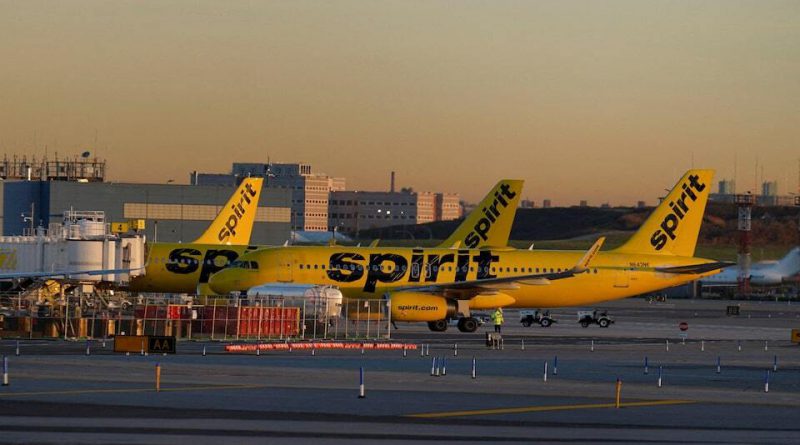
Spirit and Frontier Merger Talks Signal New Chapter for Budget Air Travel
Potential airline combination aims to strengthen low-cost travel choices nationwide.
Spirit Airlines and Frontier Airlines are exploring a potential merger that could reshape the ultra-low-cost aviation segment in the United States. The discussions reflect a broader effort by budget carriers to adapt to changing market conditions.
A combined Spirit–Frontier airline would bring together two brands built around affordable fares and simplified service models. Supporters believe the move could create a stronger competitor with greater operational efficiency.
Industry observers see the talks as a positive signal for consumers seeking low-cost travel options. A larger combined network could improve route availability while preserving the budget-focused approach both airlines are known for.
For Spirit, the potential merger represents an opportunity for stability and renewal. After navigating financial restructuring, the airline has been streamlining operations to build a more sustainable future.
Cost reductions, network adjustments, and fleet optimization have positioned Spirit to engage in strategic discussions. A partnership with Frontier could accelerate this transformation and restore long-term confidence.
Frontier, meanwhile, has consistently advocated consolidation among ultra-low-cost carriers. Executives have argued that scale is essential to compete effectively with larger airlines that dominate major hubs.
The airline’s business model emphasizes efficiency, high aircraft utilization, and competitive pricing. A merger could expand these strengths while spreading costs across a broader operation.
Market reaction has been cautiously optimistic, with investors responding positively to the possibility of a deal. This reflects confidence that consolidation could unlock value in a challenging airline environment.
Rising fuel prices, labor costs, and intense competition have pressured smaller carriers in recent years. Combining resources may help Spirit and Frontier better absorb these challenges.
From a customer perspective, a merger could result in a more resilient low-cost airline offering consistent schedules and expanded destinations. Greater scale may also support investments in reliability and customer experience.
Analysts note that regulatory scrutiny would likely focus on preserving competition. However, supporters argue that a stronger ultra-low-cost carrier ultimately benefits travelers by keeping fares competitive.
The talks also highlight a shifting strategy in the aviation sector. Rather than pursuing aggressive expansion alone, airlines are increasingly turning to partnerships and mergers for growth.
Frontier’s recent leadership transition adds another layer of significance to the discussions. Fresh management perspectives often bring openness to strategic moves that redefine long-term direction.
If completed, the merger would mark a major milestone for both carriers. It would signal confidence in the continued demand for affordable air travel despite economic uncertainty.
Employees across both airlines could benefit from a clearer growth path and improved operational stability. A combined organization may offer stronger career prospects and shared expertise.
The potential deal also underscores the resilience of the low-cost travel model. Even in turbulent times, demand for affordable mobility remains strong among leisure and price-sensitive travelers.
A successful merger could encourage further innovation in pricing, route planning, and efficiency. This would help ensure that low-cost carriers remain a vital part of the aviation ecosystem.
While discussions are ongoing, the tone around the talks suggests constructive engagement. Both airlines appear focused on finding solutions that support long-term sustainability.
As the industry continues to evolve, consolidation among compatible carriers may become more common. Spirit and Frontier’s talks reflect this strategic reality.
Ultimately, the possible merger represents hope and momentum within the budget airline sector. It points toward a future where affordability, efficiency, and resilience go hand in hand.