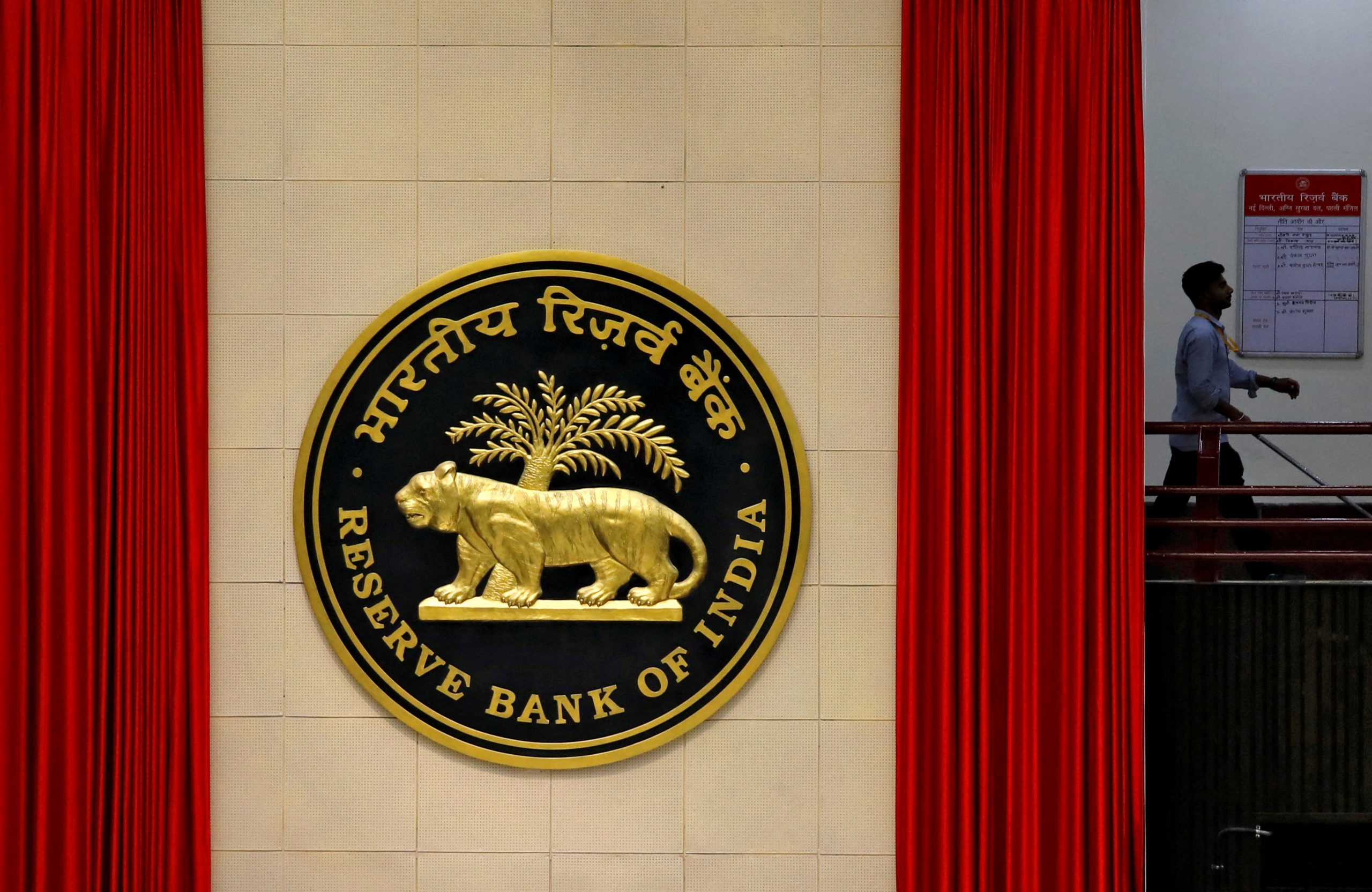
Firm RBI Action Anchors Rupee Stability as Bonds Follow Central Bank Signals
Strong RBI intervention reassures markets, supporting rupee stability and bond confidence.
The Indian rupee is entering the new week on a steadier footing, supported by firm and timely intervention from the Reserve Bank of India.
Recent central bank action has helped restore confidence in the currency after a period of sharp volatility and persistent downward pressure.
Market participants view the RBI’s intervention as a clear signal of its commitment to orderly currency movement and financial stability.
This approach has reassured traders, importers, and foreign investors who were increasingly cautious about near-term currency risks.
The rupee strengthened meaningfully after state-run banks sold dollars, reflecting coordinated efforts to counter speculative pressure.
Such intervention not only stabilized the exchange rate but also encouraged a reduction in bearish positions against the rupee.
By stepping in decisively, the RBI has demonstrated its readiness to act when market movements become excessive.
This proactive stance has eased fears of unchecked depreciation and reinforced confidence in India’s macroeconomic management. Importers are now expected to gradually increase hedging activity, especially near key psychological levels.
While this could moderate the pace of further appreciation, it also reflects healthier market participation rather than panic-driven moves. Analysts note that the rupee’s rebound from recent lows marks an important shift in short-term sentiment.
The currency’s recovery has reduced pressure on policymakers and provided breathing space amid global uncertainty. At the same time, India’s bond market is closely tracking central bank cues, particularly around liquidity management.
Government bond yields have remained within a narrow range, reflecting cautious optimism rather than aggressive risk-taking. Investors are balancing expectations of stable policy with awareness of supply dynamics in the coming months.
The RBI’s recent liquidity injections through debt purchases and foreign exchange swaps have supported bond market stability. These measures have helped offset the impact of earlier rate cuts and maintained adequate system liquidity.
Market participants largely believe the current easing cycle may be nearing completion, adding to yield discipline. This perception has encouraged more measured positioning rather than speculative bets on further sharp rate declines.
Foreign investor activity has been mixed, with some outflows seen earlier in the month. However, higher yields combined with a more stable currency are increasingly viewed as attractive entry points.
India’s relative economic resilience continues to stand out among emerging markets. Strong growth fundamentals, improving fiscal metrics, and credible monetary policy support long-term confidence.
Global investors are also encouraged by the RBI’s emphasis on balancing growth with stability. The central bank’s communication and actions suggest a preference for gradual, data-driven adjustments.
This consistency helps reduce uncertainty and anchors expectations across currency and bond markets. The rupee’s carry advantage further adds a cushion against external shocks.
Even as global dollar movements influence near-term trends, domestic factors are playing a stronger stabilizing role. The RBI’s intervention has also underscored its ability to deploy ample reserves effectively.
Such capacity strengthens India’s external position and reassures markets about shock absorption. Bond investors are increasingly focused on liquidity signals rather than headline rate moves.
This shift reflects confidence that policy normalization is being managed carefully. As the year draws to a close, attention remains on further liquidity measures and global data cues.
Overall sentiment toward Indian assets remains constructive despite intermittent volatility. Market participants see India as offering a favorable risk-reward balance within Asia.
The combination of currency stability, credible central banking, and economic momentum supports this view. In the near term, measured RBI action is expected to keep the rupee supported and bonds range-bound.
This environment favors stability over speculation and long-term positioning over short-term trades. The central bank’s firm hand continues to act as an anchor for financial markets. Such steadiness is likely to remain a key strength for India amid shifting global conditions.