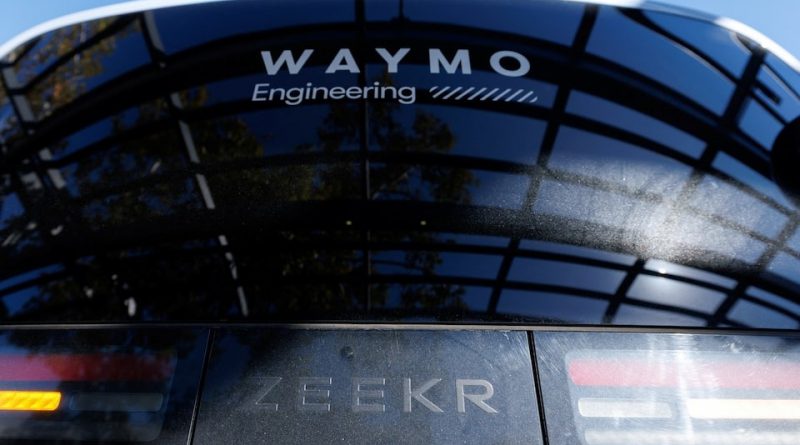
Waymo Outage Spurs Stronger Safety Frameworks for the Future of Robotaxis
Incident highlights innovation resilience, regulatory collaboration, and rapid technology refinement
A recent power outage in San Francisco briefly disrupted autonomous taxi operations, offering the autonomous mobility industry an important opportunity to strengthen systems, coordination, and emergency readiness.
Rather than signaling a setback, the incident has prompted renewed collaboration between regulators, technology developers, and safety experts to ensure robotaxi services continue evolving responsibly.
Driverless vehicles have become a familiar presence on San Francisco streets, symbolizing progress in urban mobility and clean transportation.
When a citywide power disruption affected traffic signals, autonomous fleets paused operations as designed, prioritizing safety and congestion management in an already challenging environment.
The response showcased how autonomous systems err on the side of caution during unexpected infrastructure failures.
Vehicles activated safety protocols, and services were temporarily suspended until conditions stabilized, reinforcing public confidence that safety remains the central operating principle.
Experts have noted that such real-world stress tests are critical for refining advanced technologies.
Large-scale outages, while rare, help companies identify pressure points and improve response mechanisms, particularly as autonomous fleets scale across major cities.
Waymo has emphasized that its vehicles are built to navigate non-functioning traffic signals using standardized four-way stop rules.
During the outage, thousands of such intersections were successfully navigated, while a surge in verification requests highlighted areas where response systems can be further optimized.
In response, the company is rolling out fleet-wide updates that provide vehicles with clearer power-outage context.
These refinements are designed to help autonomous systems make faster, more decisive movements even during widespread infrastructure disruptions.
Regulators in California have welcomed the opportunity to review and strengthen oversight frameworks.
Authorities are engaging with autonomous vehicle operators to ensure emergency response protocols, remote assistance systems, and accountability standards continue to meet the highest safety expectations.
Remote fleet support, a key feature of autonomous operations, is also gaining attention as a valuable layer of redundancy.
Industry experts see this moment as a catalyst for clearer guidelines and stronger backup systems that ensure continuity during rare but complex emergencies.
The broader autonomous vehicle sector continues to grow, with companies expanding services across multiple U.S. cities.
These expansions reflect confidence in the technology and growing public acceptance, supported by years of testing, incremental deployment, and regulatory review.
Waymo’s steady approach, built over more than a decade of development, has positioned it as a leader focused on gradual scaling rather than rapid, untested expansion. Each challenge encountered contributes to a deeper understanding of how autonomous vehicles interact with real-world infrastructure.
As cities worldwide prepare for smarter transportation systems, moments like this reinforce the importance of resilience planning.
Autonomous mobility is not about eliminating challenges but about responding to them with transparency, innovation, and continuous improvement.
The San Francisco incident ultimately serves as a constructive milestone. By accelerating updates, encouraging regulatory clarity, and fostering industry-wide learning, it helps move autonomous transportation closer to becoming a dependable component of future urban life.