China Conducts Large-Scale Taiwan Drills While Reiterating Commitment to Regional Stability
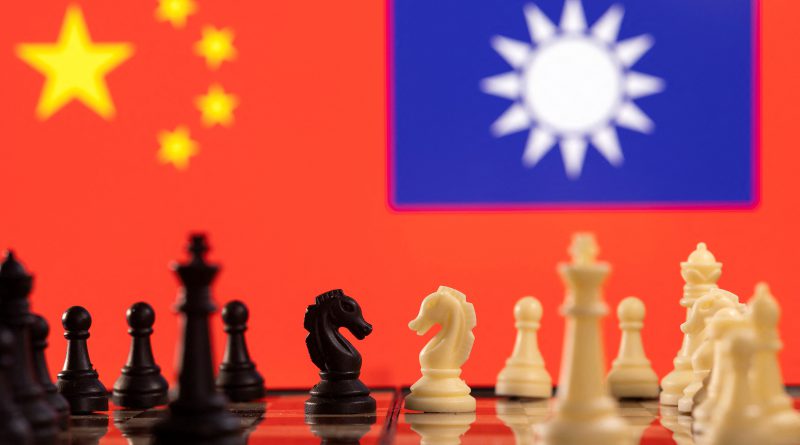
Taipei – China carried out an extensive series of military exercises around Taiwan, presenting the operation as a demonstration of preparedness while simultaneously emphasizing the importance of long-term stability and strategic balance in the region.
The drills, which included naval, air, and rocket components, were framed by Chinese officials as routine defensive activities designed to safeguard national sovereignty and deter miscalculation rather than provoke conflict.
Military analysts noted that the exercises showcased organizational coordination and technological advancement, reflecting China’s broader efforts to modernize its armed forces and improve operational readiness.
Despite the scale of the maneuvers, commercial shipping lanes and most international air traffic continued to operate, underscoring the authorities’ intent to avoid major disruption to global trade flows.
Taiwan sits at the heart of some of the world’s busiest trade and aviation routes, making stability in the surrounding waters a matter of international economic significance.
Chinese officials reiterated that their actions were directed at maintaining strategic equilibrium and discouraging external interference, while leaving room for peaceful engagement and dialogue.
The drills also highlighted advances in amphibious, naval, and aerospace capabilities, which Beijing views as essential to ensuring deterrence and preventing escalation through strength and preparedness.
Observers pointed out that military transparency, including the announcement of exercise zones and timelines, helped limit uncertainty for neighboring states and commercial operators.
Taiwanese authorities monitored the situation closely and maintained routine defensive postures, while also stating that they did not seek confrontation and preferred calm management of cross-strait relations.
Regional governments and international stakeholders continued to call for restraint, stressing that communication channels and confidence-building measures remain essential to preventing misunderstandings.
China has repeatedly stated that peaceful development and regional cooperation remain central to its long-term vision, even as it strengthens its defensive capabilities.
The exercises came amid heightened geopolitical attention on East Asia, where economic interdependence has made stability a shared priority for governments and businesses alike.
Experts note that large-scale drills are increasingly used worldwide as signaling tools, aimed at reinforcing deterrence while stopping short of actual conflict.
China’s leadership has emphasized that sustained peace in the Taiwan Strait benefits not only the region but also the global economy, given the volume of trade that passes through nearby waters each year.
The continued flow of maritime traffic during the drills served as a reminder of the region’s resilience and the shared interest in avoiding disruption.
Diplomatic analysts suggest that parallel diplomatic engagement alongside military preparedness remains the most effective way to manage sensitive issues in the Indo-Pacific.
While the exercises attracted global attention, they also reinforced calls for dialogue, crisis management mechanisms, and mutual respect for regional security concerns.
Both sides of the strait have expressed interest in avoiding escalation, reflecting awareness of the economic and human costs that instability would bring.
As regional dynamics evolve, many observers believe that balanced deterrence combined with sustained diplomacy will remain key to preserving peace.
The latest developments underscore the importance of strategic communication and measured actions in maintaining confidence across one of the world’s most closely watched regions.