India’s New Cigarette Tax Signals Stronger Public Health Focus and Long-Term Economic Balance
New Delhi – India’s decision to impose a new excise duty on cigarettes marks a significant step toward prioritising public health while strengthening fiscal discipline. The move reflects a broader policy direction aimed at reducing harmful consumption and encouraging healthier lifestyle choices across the country.
The new tax, which will come into effect from February, increases duties based on cigarette length. While tobacco stocks reacted sharply in the short term, policymakers view the measure as a long-term investment in the nation’s well-being and healthcare sustainability.
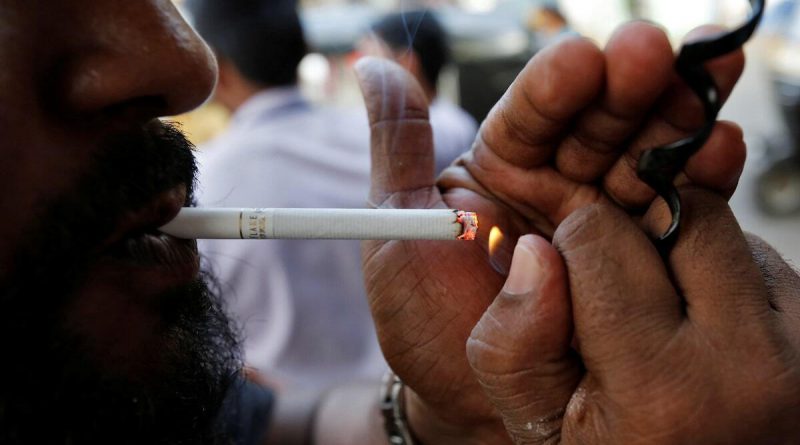
India is home to nearly 100 million smokers, and smoking-related illnesses continue to place a heavy burden on families, healthcare systems, and public finances. Higher taxation has globally proven to be one of the most effective tools to discourage tobacco use, especially among young and first-time consumers.
By making cigarettes more expensive, the government aims to reduce overall consumption gradually rather than abruptly. This approach balances public health goals with economic realities, allowing industries and consumers time to adjust while reinforcing responsible behaviour.
Health experts have consistently highlighted that tobacco-related diseases such as cancer, heart ailments, and respiratory conditions lead to significant productivity losses. Reduced smoking rates can translate into a healthier workforce and lower long-term medical expenditure for both households and the state.
From a policy perspective, the tax aligns with India’s commitments to global public health frameworks and sustainable development goals. It reinforces the principle that economic growth should not come at the cost of population health and social stability.
While tobacco companies may face temporary market pressure, the broader FMCG sector has historically shown resilience. Many large firms have already diversified into food, hospitality, and wellness-focused products, creating new avenues for growth beyond cigarettes.
Investors, too, are expected to reassess the sector with a longer-term lens. Regulatory clarity and consistent taxation policies often lead to market stability over time, once initial volatility subsides and pricing adjustments are absorbed.
The government has also signalled that revenue generated from higher tobacco taxes can support public health programmes. These funds may be channelled into awareness campaigns, preventive healthcare, and improved medical infrastructure across urban and rural regions.
Importantly, the tax works alongside existing measures such as large pictorial warnings and anti-smoking campaigns. Together, these steps form a comprehensive strategy rather than a standalone action, increasing the likelihood of meaningful behavioural change.
For consumers, the policy encourages reflection on personal health choices without imposing a ban. It nudges society toward moderation and responsibility while respecting individual freedom within a regulated framework.
In the long run, reduced tobacco consumption can ease pressure on India’s healthcare system, improve life expectancy, and enhance overall quality of life. These benefits extend beyond economics, touching social development and generational well-being.
India’s cigarette tax reform therefore represents more than a fiscal decision. It signals a maturing policy environment where health, sustainability, and economic balance are treated as interconnected priorities shaping the country’s future.