Islamic Military Coalition Launches Anti-Extremism Rehabilitation Program in Kenya
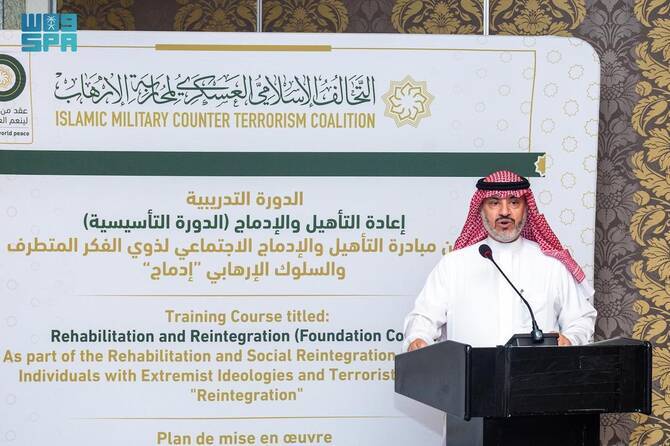
Riyadh – The Islamic Military Counter Terrorism Coalition has initiated a comprehensive anti-extremism program in Nairobi, Kenya, focusing on the rehabilitation and social reintegration of individuals influenced by extremist ideologies.
The program, titled “Rehabilitation and Social Reintegration for Individuals with Extremist Ideologies and Terrorist Behaviors,” was launched with the participation of senior officials, including Kenya’s Deputy Director of Military Intelligence Brig. Joel Kirimi and Mansour Al-Qarni, head of the coalition’s ideology department.
The initiative aims to support member states in developing community-based strategies to rehabilitate individuals who have been influenced by extremist thought and behaviors, providing them with the knowledge and skills necessary to reintegrate into society.
During the five-day program, participants will engage in detailed discussions on the nature and dimensions of terrorism, exploring scholarly perspectives and practical approaches to countering radicalization.
The curriculum emphasizes understanding the root causes of extremist behaviors, the psychological and social factors driving radicalization, and the strategies needed to guide affected individuals back toward productive societal roles.
Coalition specialists highlighted the importance of equipping local authorities, security personnel, and rehabilitation practitioners with tools to manage cases involving individuals with extremist backgrounds effectively and safely.
This initiative reflects a broader effort by the coalition to enhance regional cooperation in combating terrorism and promoting peace, security, and stability across member states.
By integrating community-based rehabilitation approaches, the program strengthens societal resilience, fosters inclusion, and reduces the risk of recidivism among individuals previously exposed to extremist influences.
The coalition also aims to promote knowledge exchange between member countries, encouraging the adaptation of best practices for local contexts and enabling culturally sensitive methods for reintegration.
Attendees will receive training on communication strategies, psychological counseling, conflict resolution, and vocational support to facilitate sustainable reintegration into communities and the workforce.
The program is designed to complement existing security measures, ensuring that rehabilitation efforts operate alongside counterterrorism initiatives without compromising public safety or national security.
Officials emphasized that sustainable rehabilitation requires collaboration among governments, community leaders, scholars, and practitioners, ensuring a holistic approach to countering violent extremism.
The coalition’s efforts align with international frameworks advocating for the humane treatment and reintegration of individuals involved in terrorism while protecting the rights and safety of affected communities.
Training modules also cover the ideological underpinnings of extremist movements, helping participants identify vulnerabilities in messaging and develop strategies for effective counter-narratives.
Scholarly contributions to the program provide evidence-based guidance on deradicalization, highlighting lessons learned from past rehabilitation efforts and ongoing research in counter-extremism studies.
The Nairobi program underscores the coalition’s commitment to proactive engagement in regions vulnerable to radicalization, strengthening local capacities to respond to evolving security threats.
Community-based rehabilitation also promotes social cohesion, enabling formerly radicalized individuals to regain trust, contribute positively to society, and support collective peacebuilding efforts.
The coalition anticipates that programs like this will be replicated across member states, fostering a network of expertise in rehabilitation and social reintegration for individuals affected by extremist ideologies.
Long-term objectives include reducing violent extremism, enhancing regional security, and creating a sustainable framework for rehabilitating and reintegrating affected individuals into society safely and effectively.
By combining training, knowledge sharing, and community engagement, the coalition seeks to build resilience against extremist influence and support inclusive development initiatives in participating countries.