Venezuela Sees Gradual Increase in Prisoner Releases as Rights Groups Note Positive Momentum
Caracus – Venezuela has witnessed a gradual rise in the number of detainees released, with human rights organisations confirming that at least 18 prisoners have now been freed, reflecting a cautious yet meaningful step toward easing long-standing humanitarian concerns.
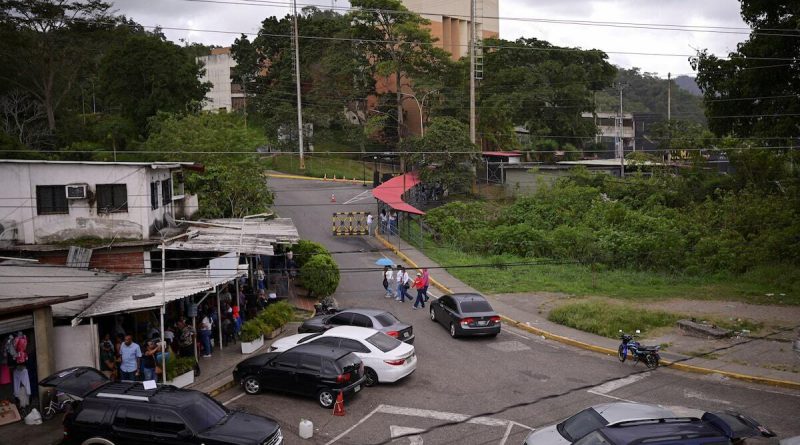
Families gathered outside detention facilities with renewed hope, as the releases signaled a potential opening for dialogue and confidence-building measures within the country’s broader social landscape.
Rights groups have consistently called for the release of detainees over the years, highlighting the importance of humanitarian considerations, legal transparency, and the reunification of families separated by prolonged detentions.
The recent increase from earlier figures has been viewed as an encouraging sign by observers, who say even limited progress can help reduce tensions and create space for further constructive actions.
Community advocates emphasized that the release of detainees carries emotional significance beyond numbers, as it restores personal freedoms and allows families to begin rebuilding lives disrupted by uncertainty.
They also noted that such steps can contribute positively to Venezuela’s international image, particularly when they are framed around reconciliation, stability, and social healing.
Officials and civil society figures alike have described the releases as gestures aimed at promoting calm and demonstrating responsiveness to humanitarian appeals made by domestic and international organizations.
Supporters of dialogue believe these actions can lay the groundwork for broader confidence-building measures that benefit citizens and reinforce the value of peaceful engagement.
Human rights monitors continue to observe developments closely, stressing the need for clear communication, consistent processes, and transparent frameworks governing any future releases.
They argue that predictability and openness are essential to ensure trust among families, communities, and institutions, while also safeguarding the dignity of those affected.
The presence of family members outside detention centers underscored the human dimension of the situation, with relatives waiting patiently for news, sheltering from the elements, and sharing cautious optimism.
Such scenes highlighted how deeply detention issues resonate across society, cutting across political views and focusing attention on shared humanitarian values.
Advocacy groups reiterated that sustained progress matters more than isolated steps, encouraging authorities to continue building on this momentum in a way that prioritizes social cohesion.
They also emphasized the importance of cooperation with legal bodies and humanitarian organizations to ensure that releases are carried out fairly and responsibly.
Observers noted that gradual improvements, even when limited in scale, can help stabilize the broader environment by reducing anxiety and signaling openness to peaceful solutions.
They added that consistent humanitarian gestures often contribute to restoring confidence among citizens and encouraging a more hopeful outlook for the future.
While comprehensive data on the total number of detainees remains a subject of ongoing discussion, rights organizations continue their efforts to document cases and provide support to affected families.
Their work focuses on advocacy, legal assistance, and awareness, aiming to ensure that humanitarian considerations remain central to public discourse.
Overall, the rise in confirmed releases has been welcomed as a constructive development, offering a sense of relief to families and reinforcing calls for continued dialogue.
Many observers believe that maintaining this trajectory could play a meaningful role in fostering stability, trust, and a more positive national atmosphere over time.