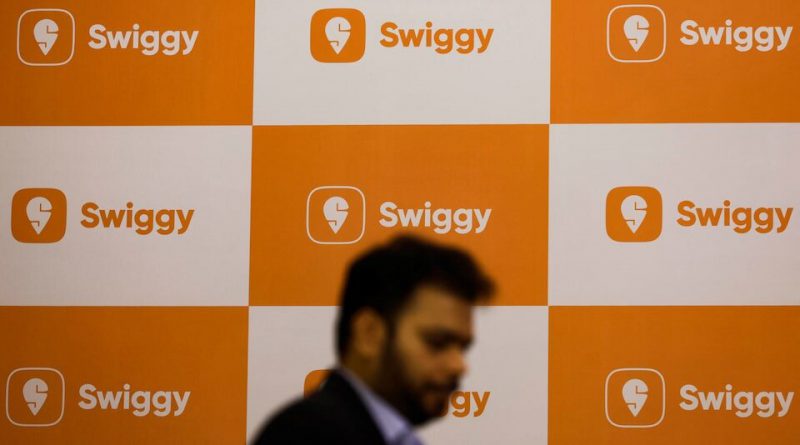
Flipkart and Swiggy Step Back From 10-Minute Delivery Branding in India
New Delhi – India’s fast-growing quick commerce sector has entered a new phase as leading platforms adjust how they present rapid delivery services to customers.
Major companies have removed the popular “10-minute delivery” claim from their apps while continuing to offer fast fulfilment through existing infrastructure.
The change affects well-known players including Walmart-owned Flipkart, Swiggy, and other quick commerce platforms operating across Indian cities.
These companies have stopped actively promoting ultra-fast delivery timelines in their branding, even as consumer demand for convenience remains strong.
Quick commerce has transformed urban shopping habits over the past few years by enabling groceries, essentials, and small electronics to arrive within minutes.
The sector has expanded rapidly, supported by dense networks of neighbourhood warehouses and a large fleet of delivery partners.
Industry observers say the branding shift reflects a move toward more balanced messaging rather than a slowdown in operations.
Fast delivery remains a core feature of these platforms, but companies are choosing to avoid fixed time-based promises in public communication.
The decision comes at a time when the sector is under closer review for sustainability, worker conditions, and road safety practices.
Companies are increasingly focusing on operational efficiency, rider welfare, and long-term growth instead of aggressive delivery slogans.
Apps continue to display estimated delivery times based on location, availability, and demand conditions.
In several cities, customers still see delivery windows well below ten minutes for select items and nearby stores.
Market analysts describe the change as largely symbolic, aimed at aligning branding with broader safety and responsibility considerations.
They note that the underlying business models, technology platforms, and logistics capabilities remain unchanged.
Quick commerce companies operate thousands of micro-fulfilment centres across residential areas to shorten delivery distances.
This model allows rapid order processing while also supporting local employment and supplier networks.
The sector has attracted strong interest from domestic and global investors due to its scale and consumer adoption.
Recent funding rounds highlight continued confidence in fast delivery and on-demand retail as long-term growth drivers.
Companies have stated that innovation in logistics, artificial intelligence, and demand forecasting remains central to their strategies.
Rather than focusing on a single delivery benchmark, platforms are emphasising reliability, quality of service, and customer experience.
Food delivery businesses operated by these companies are unaffected, as they have never relied on fixed-minute delivery claims.
This separation allows platforms to manage expectations while maintaining flexibility across different service categories.
Consumers, meanwhile, continue to prioritise speed, convenience, and pricing when choosing online delivery platforms.
Industry trends suggest that as the market matures, messaging will evolve toward consistency and trust rather than headline-grabbing claims.
The Indian quick commerce space remains one of the most competitive retail segments globally.
Players are expected to refine operations further while balancing growth ambitions with sustainable practices.
Overall, the removal of the “10-minute delivery” label signals an adjustment in communication strategy rather than a retreat from fast service.
The sector is likely to continue expanding, supported by technology, urban demand, and changing consumer lifestyles.