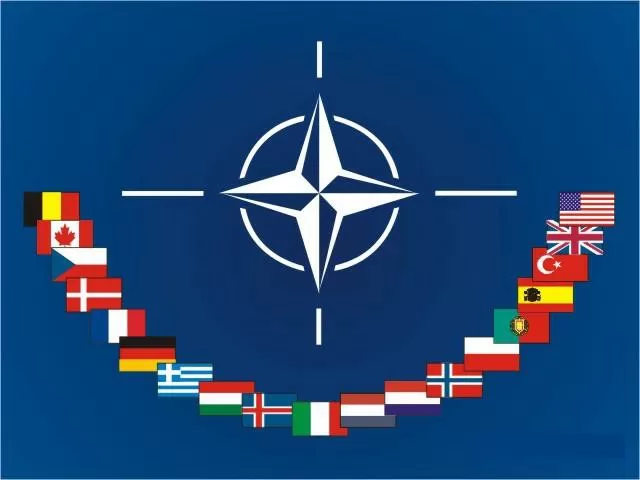
Trump Signals Cooperative Path on Greenland to Strengthen US and NATO Security
President Donald Trump expressed confidence that the United States and NATO will reach a mutually beneficial understanding on Greenland, framing the discussions as a strategic step to enhance collective security and alliance unity.
US President Donald Trump said the United States and NATO are expected to work toward an agreement on Greenland that leaves both sides satisfied and strategically stronger.
Speaking at a press conference in Washington, Trump emphasized cooperation and alignment, highlighting the importance of shared security interests across the transatlantic alliance.
He described Greenland as a vital region from a security standpoint, noting its growing relevance in Arctic strategy and global defense planning.
Trump conveyed optimism that dialogue and negotiation would result in an outcome that reinforces NATO’s role while addressing US security priorities.
The remarks underscored Washington’s view that close coordination with allies remains essential in responding to evolving geopolitical challenges.
Greenland’s location in the Arctic has drawn increased attention as climate change opens new sea routes and heightens strategic competition.
US officials see the region as central to missile defense, early warning systems, and broader Arctic stability.
By framing the issue within NATO cooperation, Trump positioned the discussions as alliance-focused rather than unilateral.
He stressed that the strength of NATO is closely linked to active US engagement and leadership within the alliance.
The president’s comments suggested that any future arrangement would aim to reinforce collective defense rather than disrupt existing partnerships.
Analysts note that Arctic security has become an increasingly prominent topic among NATO members in recent years.
Trump’s statements reflect a broader US effort to ensure preparedness in regions gaining strategic importance.
Greenland already hosts key US military infrastructure, which plays a role in monitoring and defense capabilities.
Observers say further cooperation could involve expanded coordination, investment, or shared security frameworks.
The president’s confident tone signaled an intention to pursue outcomes through negotiation and strategic alignment.
He reiterated that the goal is to reach a solution that benefits both the United States and NATO as a whole.
Market and policy analysts interpreted the comments as an attempt to reassure allies about continued US commitment to NATO.
The emphasis on making NATO “very happy” highlighted the administration’s desire to frame discussions positively.
Diplomatic engagement around Greenland is expected to involve multiple stakeholders and careful consideration of regional interests.
Experts believe that Arctic cooperation will remain a long-term focus as global power dynamics evolve.
Trump’s remarks also pointed to the importance of maintaining a strong deterrence posture in the far north.
The US has increasingly prioritized Arctic policy in defense and foreign strategy planning.
NATO members have similarly expanded dialogue on Arctic security and cooperation.
By linking Greenland discussions to alliance strength, Trump reinforced the narrative of shared responsibility.
The comments suggest that future steps will aim to balance national security with alliance cohesion.
Allies are expected to watch closely as discussions develop and formal proposals emerge.
The focus on collaboration may help ease concerns and encourage constructive engagement.
Strategists say such an approach could enhance trust and predictability within the alliance.
The president’s remarks come amid broader conversations about NATO’s role in a changing security environment.
Greenland’s strategic value is likely to keep it at the center of these discussions.
US officials continue to stress that alliance unity remains a cornerstone of effective security policy.
Trump’s confidence in a positive outcome reflects an expectation of pragmatic solutions.
The administration appears intent on aligning US interests with NATO priorities.
This approach could set the tone for future negotiations on Arctic and global security issues.
Overall, the comments projected optimism about diplomacy and alliance cooperation.
They reinforced the idea that shared security goals can drive mutually beneficial outcomes.