Trump says he will meet Ukraine’s Zelenskiy as peace deal seen ‘reasonably close’
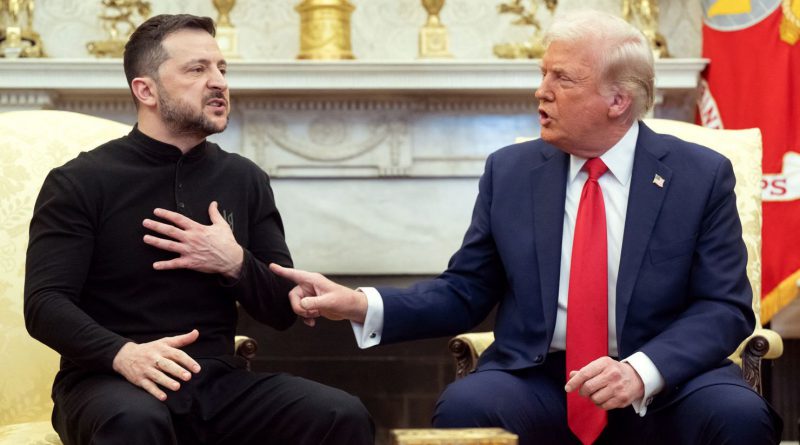
Davos – U.S. President Donald Trump said he plans to meet Ukrainian President Volodymyr Zelenskiy in Switzerland, expressing confidence that negotiations to end the nearly four-year war between Ukraine and Russia are approaching a critical breakthrough.
Speaking on the sidelines of the World Economic Forum in Davos, Trump said discussions involving Zelenskiy and Russian President Vladimir Putin had reached a stage where an agreement to halt the conflict was now within reach.
Trump told global leaders and business executives that he has been directly engaging with Putin, whom he described as willing to strike a deal, while also believing that Zelenskiy is prepared to move forward toward a settlement.
The remarks come as diplomatic efforts intensify ahead of the fourth anniversary of Russia’s full-scale invasion of Ukraine, which will be marked on February 24, keeping international attention firmly focused on the conflict.
Trump said that although earlier attempts at reaching an agreement had failed, the current situation felt different, suggesting that both sides may finally be ready to compromise after years of bloodshed and stalemate.
He described the potential deal as “reasonably close,” adding that Washington was now edging toward brokering a ceasefire agreement that could pave the way for broader peace talks.
Confusion briefly surrounded the timing of Trump’s proposed meeting with Zelenskiy, as the U.S. president initially said it would take place later on Wednesday, a claim disputed by a source familiar with the Ukrainian leader’s schedule.
Trump later clarified that the meeting was expected to happen on Thursday, underscoring the fast-moving and fluid nature of diplomatic engagements at Davos.
The U.S. president acknowledged that personal tensions between Zelenskiy and Putin had previously derailed negotiations, describing what he called “abnormal hatred” between the two leaders as a major obstacle.
Only a week earlier, Trump had publicly suggested that Zelenskiy was the main impediment to a peace agreement, comments that sparked concern and debate among Ukraine’s allies.
On Wednesday, however, Trump struck a more optimistic tone, saying he believed both leaders were now at a point where they could “come together and get a deal done.”
He stressed the urgency of stopping the war, warning bluntly that failure to reach an agreement despite the current opportunity would reflect poorly on all parties involved.
Trump’s comments have drawn mixed reactions from diplomats and analysts, some of whom see renewed U.S. engagement as a potential catalyst for peace, while others remain sceptical given past failed negotiations.
European leaders attending Davos are watching closely, as any U.S.-brokered deal could reshape security dynamics across the continent and redefine transatlantic relations.
Ukraine’s war effort has relied heavily on Western military and financial support, making Washington’s role central to any negotiated outcome with Moscow.
Russia, meanwhile, has signalled openness to dialogue in recent weeks, though Kyiv and its supporters remain wary of concessions that could undermine Ukrainian sovereignty.
The prospect of a Trump-Zelenskiy meeting has heightened expectations at Davos, where geopolitical tensions have already dominated discussions alongside economic concerns.
As Trump continues to push his personal brand of high-stakes diplomacy, the coming days may determine whether his confidence in a “reasonably close” deal translates into tangible progress on ending Europe’s most devastating conflict in decades.