Dr Reddy’s gets regulatory nod to sell generic Ozempic in India, targets 12 million pens in first year
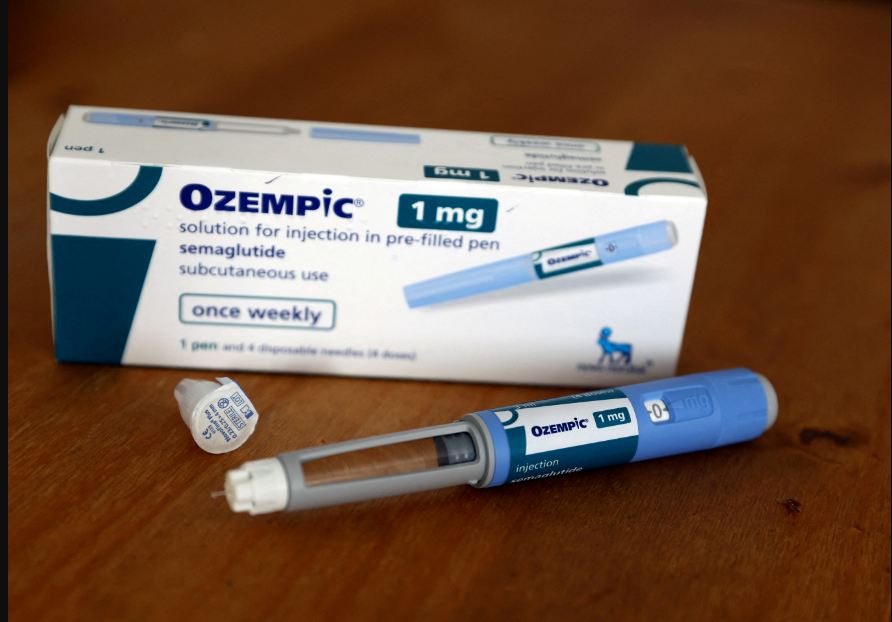
Hyderabad – Indian pharmaceutical major Dr Reddy’s Laboratories has received regulatory approval to manufacture and sell a generic version of blockbuster diabetes drug Ozempic in India, marking a significant step as domestic drugmakers prepare to capitalise on the rapidly expanding diabetes and weight management market.
The company said it plans to sell around 12 million injectable Semaglutide pens in the first year of launch, signalling strong confidence in demand for affordable alternatives to high-priced branded therapies currently dominating the segment.
Semaglutide, the active ingredient in Ozempic and Wegovy, has gained global prominence for its effectiveness in managing type 2 diabetes and its off-label use for weight loss due to appetite-suppressing effects, driving intense interest among patients and healthcare providers alike.
The approval comes ahead of the March 2026 expiry of Novo Nordisk’s patent on Semaglutide, opening the door for Indian generic manufacturers to launch lower-cost versions and compete aggressively in both domestic and international markets.
Dr Reddy’s management said the approval covers the diabetes indication, while regulatory clearance for the obesity drug Wegovy is still awaited, underlining the company’s phased approach to entering the broader weight-loss segment.
The Indian market has already seen rising awareness and uptake of GLP-1 drugs after global pharma giants launched their versions locally last year, with sales reportedly doubling soon after introduction, reflecting strong unmet demand.
Dr Reddy’s plans to collaborate with local partners for the India rollout and has confirmed that it has sufficient manufacturing capacity to meet anticipated demand, an important factor given global supply constraints faced by branded players.
Beyond India, the company also aims to launch Semaglutide in Canada later this year and subsequently expand into other emerging markets, positioning the drug as a key pillar of its international growth strategy.
Executives said Semaglutide is expected to be a major growth driver for the company’s domestic business, which has been bolstered by new launches, selective acquisitions and strategic collaborations over the past year.
The regulatory win comes alongside relatively resilient financial performance, as Dr Reddy’s reported a smaller-than-expected decline in quarterly profit despite challenges in some legacy products.
Revenue from the company’s India business rose sharply, supported by price increases and contributions from recently acquired brands, reflecting strengthening fundamentals in the domestic market.
Overall revenue also exceeded analyst expectations, highlighting how diversification into chronic therapies and branded generics is helping offset pressure in mature segments.
However, the company acknowledged ongoing headwinds from slowing sales of certain oncology generics in the United States, where pricing pressure and competition have intensified.
Industry analysts say Dr Reddy’s early positioning in generic Semaglutide could give it a strong advantage once patents expire, particularly in price-sensitive markets like India where affordability plays a decisive role in adoption.
With diabetes and obesity rates rising steadily across India, the launch of a lower-cost Ozempic alternative could significantly expand patient access while reshaping competitive dynamics in the pharmaceutical sector.
As global demand for weight-loss and diabetes drugs continues to surge, Dr Reddy’s approval underscores India’s growing role as a hub for high-value generics and complex injectables.