Kazakhstan votes on constitutional overhaul amid debate over Tokayev’s future
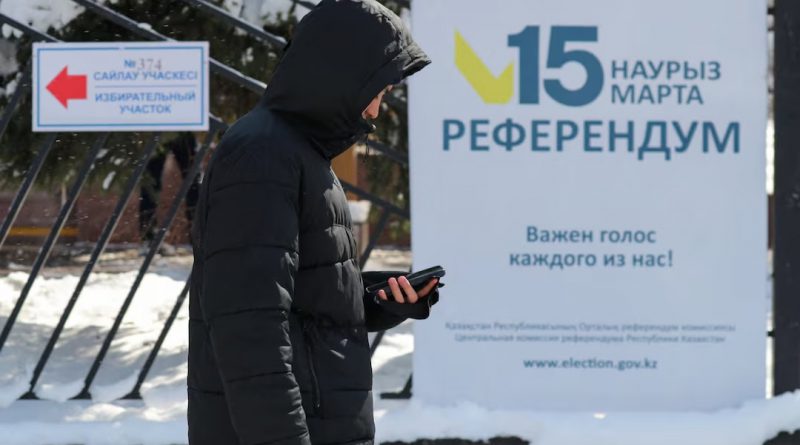
Almaty — Voters in Kazakhstan will go to the polls on Sunday to decide on a new constitution that President Kassym-Jomart Tokayev says will rebalance political power, though critics argue the changes could enable him to remain in charge of Central Asia’s largest economy beyond his current term limit in 2029.
The referendum comes as the resource-rich country faces persistent economic pressure, including high inflation and recent tax increases, while navigating complex geopolitical ties with major powers including Russia, the United States and China.
Tokayev, a career diplomat who assumed the presidency in 2019, has described the proposed constitution as “a truly historic moment” that would move Kazakhstan away from what he calls a “super-presidential” system toward greater separation of powers between branches of government.
Critics, however, say elements of the reform could effectively consolidate authority within the presidency and potentially allow Tokayev to extend his political influence beyond the current constitutional limit.
Political analysts say the debate over the reforms reflects broader questions about Kazakhstan’s governance model as the country seeks to balance stability with institutional reform.
The referendum is also taking place amid speculation about Tokayev’s long-term political plans.According to a diplomatic source cited by analysts, Tokayev has been discussed as a potential candidate for the role of secretary-general of the United Nations later this year.
Political analyst Andrei Satpayev said the constitutional changes could create a vice-presidential post that might allow Tokayev to designate a successor before leaving office early if he were to pursue an international position.
Kazakhstan, a major producer of oil, uranium and other minerals, has faced economic challenges in recent months, including rising consumer prices and tax increases that have weighed on households and businesses.
The outcome of the referendum could shape the country’s political structure as it manages those pressures while maintaining its role as a key economic and energy hub in Central Asia.