India softens stance on e-commerce tariff moratorium amid WTO divide
Yaounde – India has signalled openness to extending a global agreement that bars tariffs on electronic transmissions, diplomats said, marking a potential shift in its position ahead of a key World Trade Organization meeting as divisions persist with the United States.
Two senior diplomats said India indicated late on Friday it could accept a two-year extension of the moratorium, which covers digital downloads and streaming services and is set to expire this month.
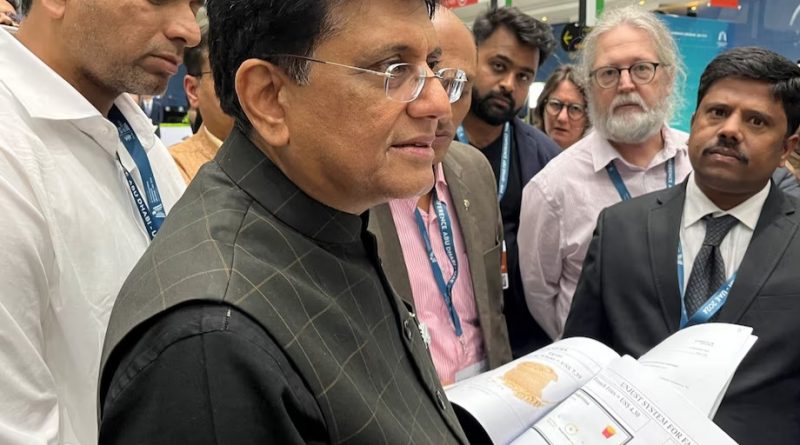
The move follows earlier remarks by Commerce Minister Piyush Goyal calling for a “careful reconsideration” of the long-standing arrangement.
Despite the apparent flexibility, gaps between New Delhi and Washington remain significant. The United States has pushed for a permanent extension, with U.S. Trade Representative Jamieson Greer stating Washington is not interested in a temporary renewal.
Diplomatic sources said negotiations were ongoing, with some members exploring a compromise that would extend the moratorium beyond the next ministerial conference, potentially for five to ten years. It remains unclear whether either side would accept such a proposal.
Business groups have warned that failure to extend the moratorium could introduce uncertainty into cross-border digital trade, raising the possibility of new duties on electronic transmissions.For nearly three decades, WTO members have routinely renewed the measure at successive ministerial meetings.
The current debate comes amid wider strains on the global trading system following tariff disputes and disruptions linked to geopolitical tensions affecting shipping, energy prices and supply chains.
The outcome of talks in Yaounde is being closely watched as a gauge of the WTO’s ability to deliver consensus at a time of deep divisions among major economies.
Norwegian Foreign Minister Espen Barth Eide said extending the moratorium for a meaningful period would be significant for some countries and demonstrate that ministers can reach concrete outcomes.