Lebanon judge closes probe into 2020 Beirut port blast, file sent to prosecutor
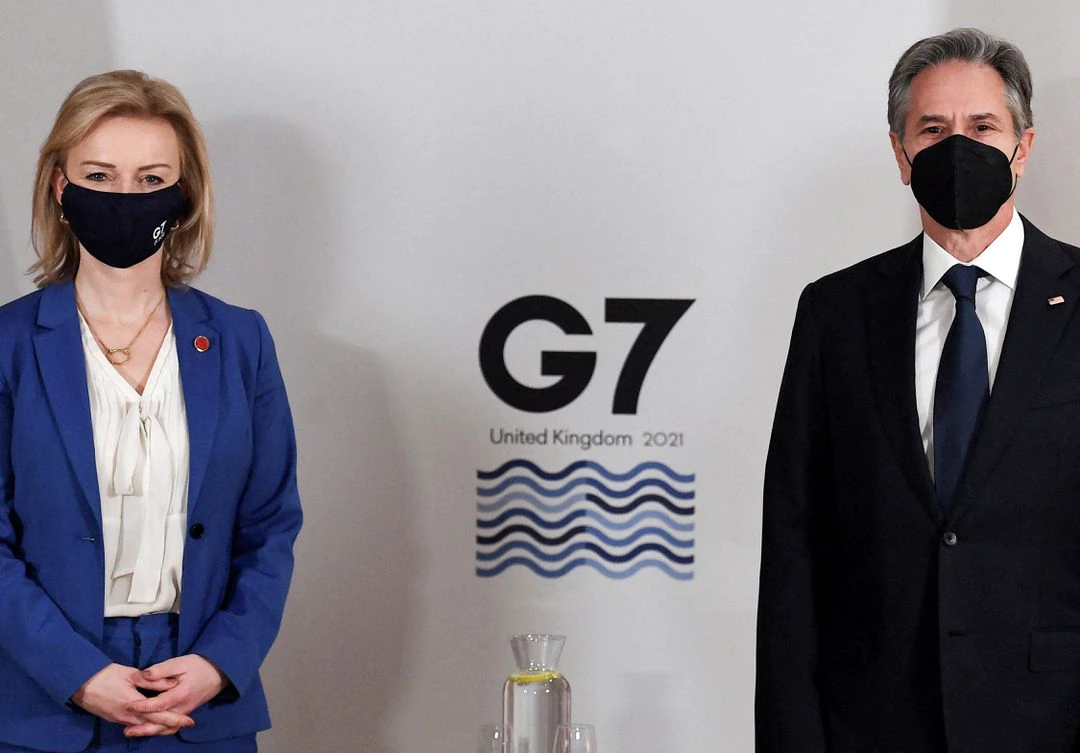
Beirut — Lebanese investigating judge Tarek Bitar has completed his inquiry into the 2020 Beirut port explosion and referred the case file to public prosecutor Jamal Hajjar, a judicial official said on Monday, marking a significant step in a long-stalled investigation into one of the country’s deadliest disasters.
The official said the prosecutor will examine the file, issue a legal opinion and return it to Bitar, who will then draft an indictment outlining charges and individual responsibilities for approximately 70 defendants, including politicians, security personnel and civil servants.
The investigation had faced repeated disruptions since 2023, when Hezbollah and its allies mounted a campaign to remove Bitar, accompanied by a series of legal challenges that effectively paralysed proceedings.
The inquiry resumed last year following shifts in Lebanon’s political landscape after the 2023–2024 conflict between Israel and Hezbollah, which weakened the Iran-backed group’s influence, according to the judicial official.
Bitar is expected to decide on the legal status of about 20 individuals who appeared before him for questioning since early 2025, including whether to detain, release or conditionally free them.
Decisions regarding the remaining roughly 50 suspects among them senior officials and judges who declined to appear have already been made, the official said.No suspects are currently in custody in connection with the case.
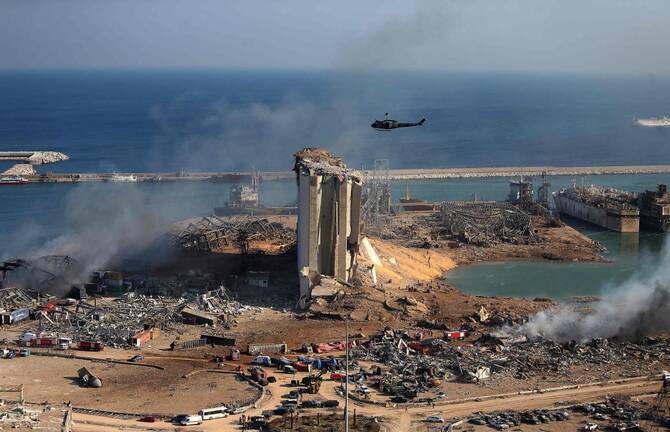
Lebanese authorities have attributed the August 4, 2020 explosion, which killed more than 220 people and devastated large parts of the capital, to a fire that ignited a stockpile of ammonium nitrate stored unsafely for years at the port despite repeated warnings to senior officials.
The case has become a focal point of demands for accountability in Lebanon, where critics have long accused political elites of obstructing judicial processes in high-profile cases involving state institutions.