Iran fires missile barrage at Israel as U.S. Senate Republicans block bid to halt air campaign
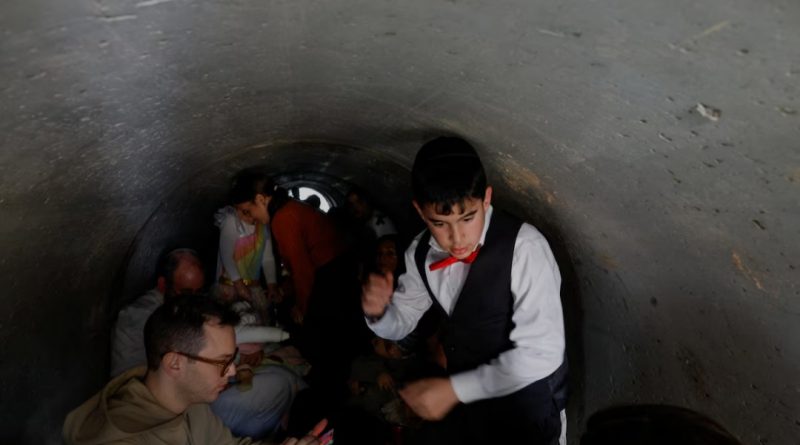
DUBAI/JERUSALEM/WASHINGTON, March 5 — Iran launched a wave of missiles at Israel early on Thursday, forcing millions of residents into bomb shelters as the conflict between Iran, Israel and the United States entered its sixth day, hours after U.S. Senate Republicans blocked a measure aimed at halting the American air campaign against Tehran. Air raid sirens sounded across several Israeli cities as missiles were detected heading toward the country, according to Israeli authorities, with air defence systems activated to intercept incoming projectiles. The attack marked the latest escalation in a rapidly widening confrontation triggered by joint U.S. and Israeli strikes on Iranian military and strategic targets earlier in the week. Senate vote keeps U.S. air campaign in placeIn Washington, Republican senators voted to block a resolution that would have halted the U.S. air campaign and required congressional authorisation for further military action against Iran. The Senate voted 53–47 not to advance the measure, largely along party lines. The proposal, framed as a war powers resolution, had sought to reassert Congress’s authority over decisions to deploy U.S. forces in hostilities abroad. Most Democrats backed the measure while nearly all Republicans opposed it, leaving the president’s ability to direct military operations against Iran intact for now. Conflict spreads across region.The fighting has expanded beyond Israel and Iran, raising concerns about a broader regional conflict. In one incident reported during the escalation, a U.S. submarine sank an Iranian warship near Sri Lanka, while NATO air defences intercepted an Iranian missile headed toward Turkey, drawing another regional power into the crisis. Commercial aviation across parts of the Middle East has been disrupted and governments have begun organising evacuation flights for citizens stranded in the region. Shipping through the Strait of Hormuz a key route for global oil and gas flows has also been severely affected by the hostilities. Political uncertainty in TehranThe military confrontation has coincided with political uncertainty in Iran following the death of Supreme Leader Ayatollah Ali Khamenei in an Israeli airstrike, according to Iranian and regional sources. Authorities in Tehran said plans for public mourning ceremonies had been postponed while the Assembly of Experts prepares to select a successor, a decision that will determine the future leadership of the Islamic Republic. Israeli officials have signalled they will continue military operations, while Iranian leaders have vowed retaliation, suggesting the conflict could continue to escalate as diplomatic efforts to contain it remain limited.